

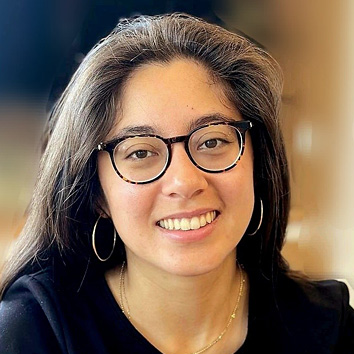
Léonie Allard, France
Léonie Allard is a visiting fellow at the Atlantic Council’s Europe Center, currently in residence from the French Ministry of Armed Forces. Before her current role, Allard worked for the Ministry of Armed Forces’ Directorate General for International Relations and Strategy. There, she served at the Defense Strategy Directorate on power competition and hybridity focusing on the Indo-Pacific. She was particularly involved in fostering the US-France defense talks on these issues. Before that, she served at the French embassy in Beijing for the Ministry of Foreign Affairs on energy issues and at NATO in Brussels. She completed traineeships at the Council of the European Union in Brussels and the Organization for Security and Co-operation in Europe (OSCE) in Vienna. Allard holds a MA in European affairs from Sciences Po Paris. She also pursued studies at the School of African and Oriental Studies in London and Fudan University in Shanghai.
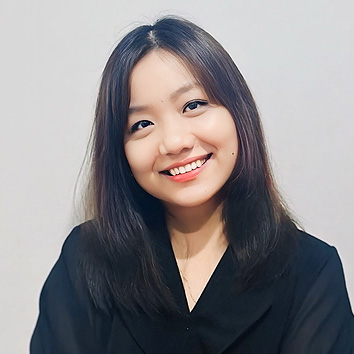
Nan Lwin Yadanar Aung, Myanmar/Thailand
Nan Lwin Yadanar Aung is the Program Head of China Studies at ISP-Myanmar, where she leads research on China’s policies and actions in Myanmar, focusing on ethnic conflict dynamics, the conflict economy, and resource exploitation. Her work examines how China’s regional architecture and economic expansion in Myanmar affect local communities, internal armed conflicts, peace processes, and regional initiatives. She holds a Master of Journalism degree from the University of Hong Kong and has over 13 years of experience as an editor and reporter covering political and socio-economic issues in Myanmar, with a focus on China’s involvement. She has received multiple journalism awards, including the National Press Award in 2012 for her reporting on Myanmar-U.S. relations.

Reinhard Bütikofer, Germany
Reinhard Bütikofer served as Member of the European Parliament (EP) 2009-2024, focussing on foreign policy, trade policy and industrial policy. He chaired the EP's China delegation 2019-2024. He held the position of European Greens' Co-chair 2012-2019. Bütikofer co-founded the Interparliamentary Alliance on China (IPAC) and is co-convener of IPAC's Legislator-Expert Forum. He is a Non-resident Senior Fellow at the Center for European Policy Analysis (CEPA), a Senior Adviser at the European Policy Centre (EPC), and co-chairs the German-Taiwanese Dialogue Platform (DTDP). Before being elected to the EP Bütikofer had served as German Green Party Co-Chair 2002-2008, as Secretary General 1998-2002, as Member of the Baden-Württemberg State Parliament 1988-1996 and as Heidelberg City Councillor 1984-1988. Bütikofer, born 1953 in Mannheim, grew up in Speyer and spent one year as a high school student in Kenosha, WI. He studied philosophy, history and some sinology at Heidelberg University.

Jaap van Etten, the Netherlands
Jaap van Etten is the Co-founder and CEO of Datenna, leading the company with a strategic vision to address the challenges posed by China’s technological ambitions. As former Dutch diplomat serving as Attaché for Science & Technology, Jaap has dedicated nearly two decades to tracking China’s techno-economic development, with a focus on fields ranging from AI and biotech to nuclear energy and advanced materials. Living and working in China for ten years, Jaap has been at the forefront of reporting on the implications of China’s aggressive pursuit of technology. In 2014, he foresaw the need for the Western world to prepare for investment screening and develop strategies to mitigate the risks associated with technology transfer and Chinese statecraft. This insight led him to establish Datenna in 2017, specializing in Chinese OSINT (Open Source Intelligence) for techno-economic intelligence. Before his diplomatic career, Jaap worked at a Dutch search engine, adding a robust technological foundation to his expertise in technology policy. He is frequently interviewed by global newspapers on matters of Chinese statecraft. Jaap holds a BSc in Computer Science and an MSc in Technology Policy.

Thorsten Geissler, Bulgaria/Germany
Attorney-at-Law, State Legislator, Schleswig-Holstein (1987-2004), Senator and Second Deputy Mayor Hanseatic City of Lübeck (2004-2010), Director Rule of Law Programme South East Europe, Konrad-Adenauer-Foundation (2010-2016), Director Bulgaria Office, Konrad-Adenauer-Foundation (2016-2022).
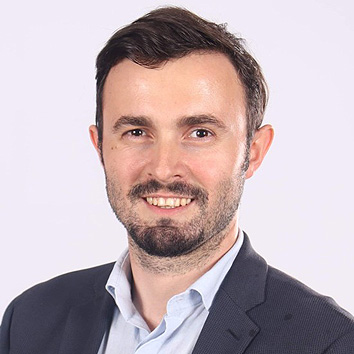
Dr. Dren Gërguri, Kosovo
Dren Gërguri, Ph.D., is a lecturer at the University of Prishtina, Kosovo, and a Fulbright scholar. His research agenda is at the intersection of disinformation, journalism, artificial intelligence, and political communication. He serves as the Associate Editor at the Central European Journal of Communication. Gërguri has published four books, four book chapters, 18 scientific articles, and dozens of op-eds in the field of media. Some of the op-eds are translated into around 10 languages, including English, German, French, Russian, Japanese, etc. His personal blog is www.drengerguri.com
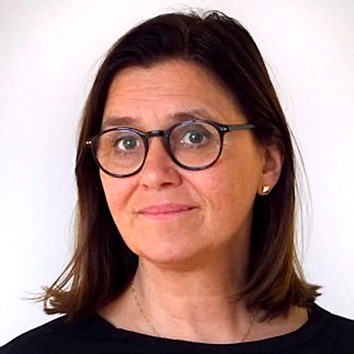
Signe Gilen, Norway
Special Envoy for Women, Peace and Security, Norwegian Ministry of Foreign Affairs Signe Gilen is the Norwegian Ministry of Foreign Affairs’ Special Envoy for Women, Peace and Security. She brings more than twenty years of professional experience from the Middle East and North Africa, with extensive work in Bahrain, Israel, Jordan, Lebanon, Oman, Palestine, Saudi Arabia, Yemen, and South Sudan. Her thematic expertise includes gender analyses, inclusive peace processes, and peace agreements. From 1992 to 2010, she covered the Israeli–Palestinian conflict in various capacities, including as a researcher, as Head of the People-to-People Secretariat, and as part of the Ministry of Foreign Affairs. She subsequently served as Deputy Head of Mission at the Norwegian Embassy in Juba, South Sudan, followed by three years as Deputy Head of Mission in Riyadh, where she held primary responsibility for Yemen.
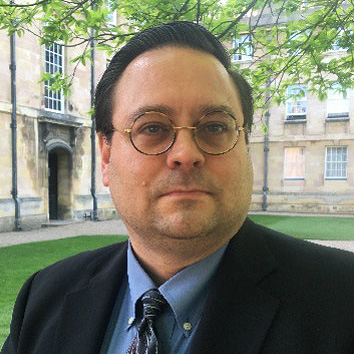
Dr. William Hurst, United Kingdom/Unites States
William Hurst is Chong Hua Professor of Chinese Development in the Faculty of Asian and Middle Eastern Studies (FAMES) and Co-Director at the Centre for Geopolitics. At the Centre for Geopolitics, he coordinates many aspects of research, activities, and events, especially on the Indo-Pacific and Global Strands. His own research in this area is especially concentrated on Chinese foreign policy, international relations, and evolving role in the world, as well as the broader politics of the South China Sea and Southeast Asia in general.
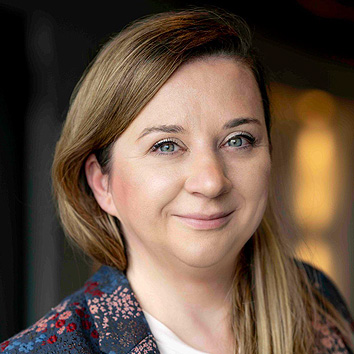
Magdalena Jakubowska, Poland
Magda is the Vice President of the Res Publica Foundation, a Warsaw-based think tank behind Visegrad Insight - CEE analysis and media platform. She drives EU & security strategy, champions foresight in policy, and launched #WomenAreNATO to advance gender equality in defense. With experience in Poland, the U.S. & transatlantic projects, she sparks Central European perspective to debates on Europe’s future in media and public forums.

Marcin Jerzewski, Taiwan/Poland
Marcin Jerzewski is the Head of the Taiwan Office of the European Values Center for Security Policy. He also serves as an analyst contributing to the Center’s research on Taiwan and the broader Indo-Pacific region. Concurrently, he is also a contributor to the China Observers in Central Eastern Europe (CHOICE) platform of the Association for International Affairs (AMO). His previous professional experience includes work at the Taiwan NextGen Foundation, the Taipei City Government, the Polish Office in Taipei, and the Woodrow Wilson International Center for Scholars in Washington, DC. Jerzewski delivered expert briefings on Taiwan’s domestic politics and foreign policy to officials of the Legislative Yuan, the Ministry of National Defence of the Republic of Lithuania, and NATO. He is also a frequent commentator on the politics and international relations of Taiwan, with his analyses cited in outlets including Al Jazeera, BBC, The Economist, and Yomiuri Shimbun, among many others. A sinologist and political scientist, Jerzewski was a Ministry of Education Taiwan Fellow in the International Master’s Program in International Studies at the National Chengchi University and studied at the University of Richmond and the University of Michigan-Ann Arbor.
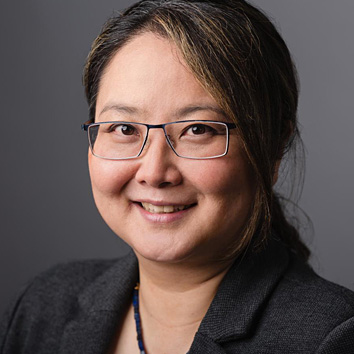
Dr. Yuka Kobayashi, United Kingdom/Japan
Dr. Yuka Kobayashi is senior lecturer (associate professor) of China and international politics at SOAS, University of London and co-editor for the China Quarterly Journal. She is a British Academy Global Innovation Fellow in DGAP’s Center for Geopolitics, Geoeconomics, and Technology (till end of 2025). Kobayashi’s research examines Chinese investments and link this to broader questions related to China and world order/disorder. She has advised various governments and international organizations on these issues: she was appointed as specialist advisor to the UK government in 2021 and served as an advisory board member of Stiftung Asienhaus from 2019 to 2021.
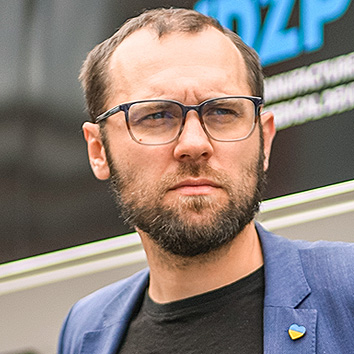
Dr. Tomáš Kopečný, Czechia
A leading figure of the Czech ammunition initiative and Ukraine reconstruction efforts, former Deputy Defense Minister with more than a decade of experiences in defence and defence industrial agendas, Tomas Kopecny has been coordinating Czech support for Ukraine also in its humanitarian and reconstruction aspects since January 2023. For his contribution in helping Ukraine, Tomas has received Order of Merit in 2022 and Order of Prince Yaroslav the Wise in 2024 from the President of Ukraine.

Zuzana Košková, Czechia
Zuzana Koskova is a sinologist with experience in diplomacy, management of research and science, event management, social media or cloudcomputing. She joined the EVC in February 2023 as the senior program coordinator of the Red Watch program, since April 2023 she has been the Head of the program. During the Czech presidency of the Council of the EU (2022) she served at the Czech MFA where she also completed the Diplomatic Academy program. Previously, she worked at the Faculty of Arts, Charles University in management of science and innovation and as a foreign students coordinator. She graduated from MA program Modern China Studies at Freiburg University (Germany), bachelor program Sinology at the Faculty of Arts, Charles University in Prague and Humanities at the Faculty of Humanities, CU in Prague. Her research interests are Chinese media, censorship and propaganda.
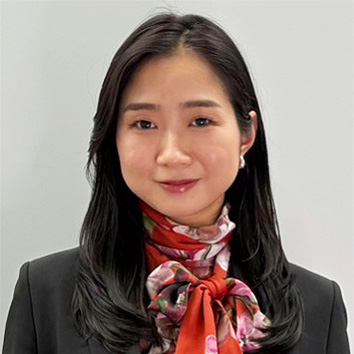
Kyoko Kuwahara, Japan
Kyoko Kuwahara specializes in public diplomacy, strategic communications, disinformation and soft power strategies. She is a research fellow at the Japan Institute of International Affairs (JIIA), a fellow at the Macdonald-Laurier Institute (MLI), and a strategic advisor at Japan Nexus Intelligence (JNI). After completing a master’s course at the Osaka School of International Public Policy (OSIPP), Osaka University, she joined the Sasakawa Peace Foundation, where she was a research fellow in 2017-2018. She then served as an officer at the Office for Strategic Communication Hub at the Ministry of Foreign Affairs of Japan in 2018-2019 before joining the JIIA. She worked on strategic communications research as an MLI Visiting Fellow in Ottawa, Canada from 2022 to 2023, and is currently based in Tokyo, Japan, where she conducts research on foreign influence operations and strategic communications in Japan and abroad. Her recently published books include Disinformation Warfare (Japanese), co-author (2023), Why is Japan's "Righteousness" Difficult to Convey to the World? Image Competition between Japan, China, and South Korea (Japanese) (2020), and After Sharp Power (Japanese), co-author (2019).
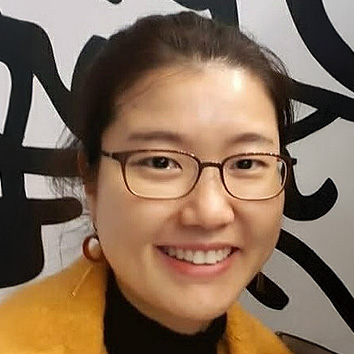
Dr. Jinah Kwon, South Korea/United Kingdom
Dr. Jinah Kwon is a political sociologist at the University of Sheffield whose research bridges North Korean migration, gender, human rights, and development. Her forthcoming book on the migration choices and quality of life of North Korean women will appear in Palgrave Macmillan’s Human Rights in Asia series. For about fifteen years, she has worked in the field of North Korean human rights in collaboration with civil society, government, and international partners. Before joining Sheffield, she lectured at Korea University’s College of International Studies and served as Senior Research Fellow at the Soongsil Institute for Peace and Unification. In 2023, she received the Award of Excellence from the Vice Prime Minister and Minister of Education of the Republic of Korea.
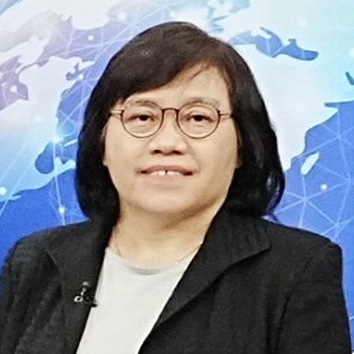
Dr. Chyungly Lee, Taiwan
Chyungly Lee is Professor of international relations at National Chengchi University in Taiwan. Her researches cover topics on Asia-Pacific comprehensive security, Indo-Pacific regional multilateralism, and conflict prevention in East Asia. In addition to her numerous academic publications, she is also actively engaged in the track II processes for peace and security, including the Council for Security Cooperation in Asia Pacific (CSCAP), minilateral and bilateral strategic dialogues. She received her Ph.D. from the Department of Government and Politics, University of Maryland, College Park and was an invited visiting scholar at the Krach Institute for Tech Diplomacy at Purdue, the ASEAN Studies Initiative at American University, Stimson Center in Washington D.C., Liu Institute for Global Studies at UBC, and Center for Cooperative Monitoring at the U.S. Sandia National Lab.
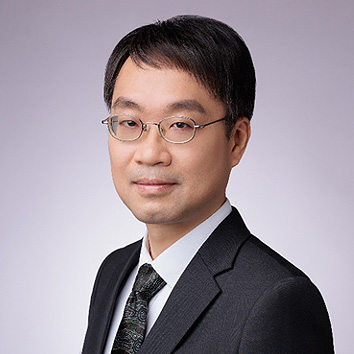
Dr. Jyun-yi Lee, Taiwan
Jyun-yi Lee is currently Associate Research Fellow at the Institute for National Defense and Security Research (INDSR). He has been working on non-traditional security, hybrid threats, gray zone conflicts and lawfare. He is also teaching strategic communication and crisis management in Taiwan’s National Defense University. He received his Ph.D. in International Relations from the University of East Anglia, Norwich, United Kingdom.
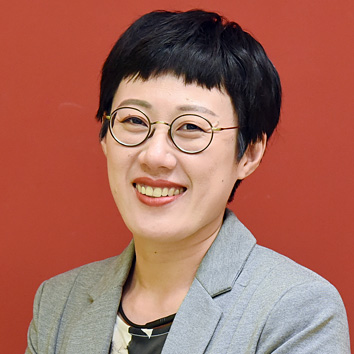
Isis M. Lee, Taiwan
Isis M. Lee is Advisor and former Vice President of Radio Taiwan International (Rti), Taiwan’s international public broadcaster. With a career spanning cultural policies, external cultural affairs, and public media governance, Isis has worked on media resilience, cross-cultural innovation, and international partnerships to amplify Taiwan’s global voice. At Rti, she advanced multilingual services, promoted media literacy, and engaged immigrant and international communities, reflecting a belief that diverse voices and cross-cultural dialogue strengthen democratic resilience. Isis now continues to support international cooperation and Taiwan’s cultural and media diplomacy.
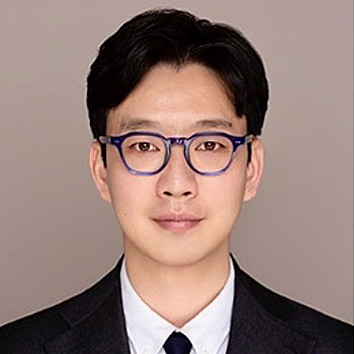
Dr. Sungwon Lee, South Korea
Dr. Sungwon Lee is a Research Fellow and former Director of the Center for Diplomatic Strategy at the Sejong Institute. He has also served as Associate Editor of Korea on Point, a global online policy forum dedicated to foreign and security affairs. Previously, he was a Research Associate at the Center for Foreign Policy and National Security at the Asan Institute for Policy Studies. Trained in conflict studies, his research primarily focuses on Europe’s security and defence policies, with particular emphasis on the implications of Korea–Europe security cooperation. His academic interests further include non-traditional and hybrid security challenges emerging in the Indo-Pacific region. He studied at King’s College London and earned his PhD from the University of Bath.

Dimitar Lilkov, Bulgaria/Belgium
Dimitar Lilkov is a Senior Research Officer at the Wilfried Martens Centre for European Studies focusing on energy and climate, as well as digital policy. Specific fields of expertise cover Energy security and decarbonisation policies. On the digital front, the respective research topics include novel European regulation in the online domain, privacy, disinformation, as well as technological competition with the People’s Republic of China.
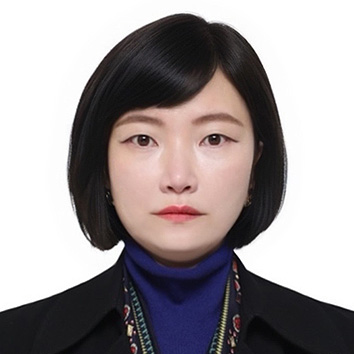
Dr. Min Joung Park, South Korea
Dr. Min Joung Park is a research professor at the Center for ASEAN-India Studies at the Institute of Foreign Affairs and National Security, Korea National Diplomatic Academy (KNDA). Previously, she served as a policy specialist for development cooperation at the Ministry of Foreign Affairs, Republic of Korea (ROK). As a consultant, she contributed to drafting the National Action Plan of the ROK for the implementation of UN SCR 1325 on Women, Peace, and Security. She holds a Ph.D. from Ewha Womans University, ROK, with her dissertation focusing on middle power engagement with ASEAN, and an M.A. in Development Studies from the London School of Economics and Political Science (LSE), UK.
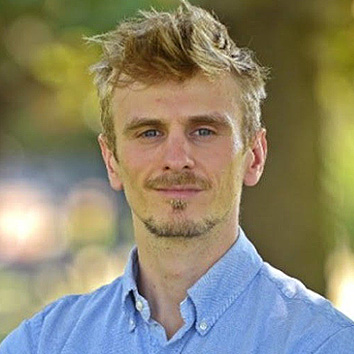
Jacob Mardell, Germany
Jacob Mardell is a Berlin-based China analyst whose research focuses on China’s global economic footprint, the BRI, EU-China relations, and China’s South-South diplomacy. He has conducted field research in dozens of Belt and Road countries and writes regularly about the initiative, contributing analysis to publications such as Politico, Jamestown Foundation’s China Brief, and the Royal United Service Institute. Jacob is a Senior Fellow at the UK-based think tank Sinification, which tracks, translates and analyses key debates shaping thought and policy in China. He is also a Non-Resident Fellow for Global Realignment at the China Global South Project. Prior to these roles, Jacob worked as an analyst at the Mercator Institute of China Studies in Berlin.

Ondřej Málek, Czechia
Ondřej Málek graduated from the University of West Bohemia in Pilsen with a Bachelor’s degree in International Relations – Territorial Studies, specializing in British and American Studies. He later earned a Master’s degree in International Relations – Security Studies, focusing on international security. During his studies, he also spent four semesters as an exchange student at the University of Pavia in Northern Italy, where he attended the Master’s program in World Politics and International Relations. At EVC, Ondřej’s work primarily focuses on U.S. relations and foreign policy in the Indo-Pacific region, as well as on the strategic competition between the United States and the People’s Republic of China — notably through his work on crisis simulations (tabletop exercises), including two-theatre escalation scenarios.

Ria Orca, The Philippines
Ria Orca is the Belt and Road Initiative (BRI) Monitoring Coordinator at CIPE, where she manages multi-country research, stakeholder engagement, and knowledge-sharing to promote transparency in PRC’s infrastructure investments. She collaborates with regional hubs to synthesize governance insights and help civil society and the private sector to counter corrosive capital. Previously, she spent 17 years at USAID managing programs on democratic resilience, anticorruption, and strategic communications. Her portfolio spanned $100M in governance efforts across the Philippines and Mongolia, with supporting roles in the Pacific Islands.
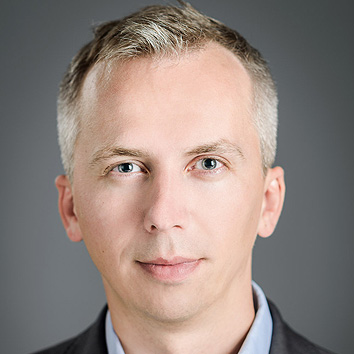
Wojciech Przybylski, Poland
Wojciech Przybylski is a policy influencer, leading strategic foresight on EU affairs to improve democratic security of Poland in Europe. He organises EuropeFuture.Forum as the Editor of Visegrad Insight and the President of Res Publica Foundation. An advisory board member at LSE IDEAS Ratiu Forum, European Forum of New Ideas. A guest lecturer at the Foreign Service Institute for the U.S. Government, Warsaw University and CEU Democracy Institute. He co-authored among others a book 'Understanding Central Europe’, (Routledge 2017), and 'On the Edge. Poland' (Culturescapes 2019), 'Let's Agree on Poland' (Oxford University Press, 2025) and was widely published in the international press.

Anton Rizki, Indonesia
Anton Rizki is an expert in public affairs and sustainable development. Before joining CIPS, he was Managing Director at a leading public affairs firm in Indonesia, advising multinationals, SOEs, and international organizations on public policy and stakeholder engagement. Anton was also the head of corporate communications in a major agribusiness company, where he handled ESG and sustainability communications and was exposed to the food and agriculture sector. He holds master’s degrees in communications from the Leeds University Business School and in political science from Université Libre de Bruxelles. His interests focus on addressing human well-being and sustainable development challenges.
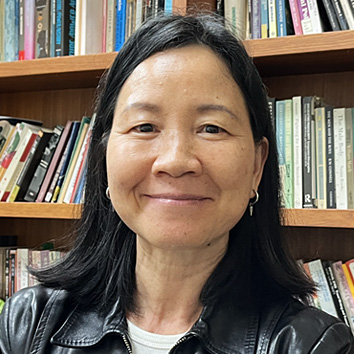
Dr. Hsiu-hua Shen, Taiwan
Hsiu-hua Shen is an associate professor of sociology at National Tsing Hua University, Taiwan. Her research explores gender, migration, family, and border studies with a focus on Taiwan, China, and Taiwan-China relations. She was the former president of Awakening Foundation, an established women’s organization in Taiwan. As war and violence increasingly shape Taiwan and global politics, Professor Shen engages both in scholarship and activism, exploring how feminist perspectives can inform understanding of and responses to crises.
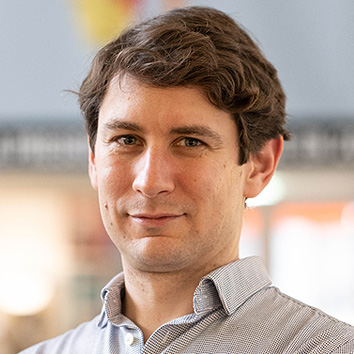
Pavol Szalai, France
Pavol Szalai has opened and become the director of the RSF Prague Bureau covering central and eastern Europe in October 2025. He joined the global press freedom watchdog in 2017 as RSF's correspondent in Slovakia and served as Head of the EU-Balkans Desk at the NGO's headquarters in France between 2020 and 2025. Inspired by Slovakia's fight for freedom, he always aimed to put his academic training from Bratislava, Brno, New York and Paris at the service of democracy in Europe—whether as an analyst, journalist, civil servant or press freedom campaigner. His commitment to the public good was recognized and further strengthened by the "White Crow" Prize, which he was awarded in 2017 for whistleblowing on rigged public tenders in Slovakia.

Matej Šimalčík, Slovakia
Matej Šimalčík is the Executive Director of the Central European Institute of Asian Studies, a think tank that focuses on foreign and security policy issues related to East Asia. Matej's research looks at China’s economic and political presence and influence in Central Europe, elite relations, corrosive capital, and the role of European legal instruments in mitigating risks posed by China. He also focuses on the EU-Taiwan relations and the role of Central European countries in shaping them. He has a background in Law (Masaryk University) and International Relations (University of Groningen). In 2021, he was listed on the Forbes 30 Under 30 list (Slovak edition) in the Governance and Social Innovation category.
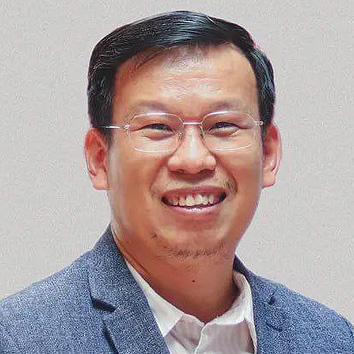
Thy Try, Cambodia
Thy Try is the Executive Director and Editor-in-Chief of Open Development Cambodia (ODC). For over 15 years, he has been promoting open data, a strong open data community, digital rights, open land contracting, and community engagement to strengthen transparency and accountability in Cambodia and the Mekong region. He leads ODC’s work providing public access to data on development trends, emerging technologies, and civic space. Previously, he worked with indigenous communities and civil society organizations on natural resource management, including databases in the extractive industry, and with human rights organizations as a human rights investigator. With a legal background, he has been involved with many projects around accountability, open budgets, internet freedom, internet governance, and digital law research since 2009. He also holds an Executive Master’s in Development Policies and Practices from the Graduate Institute, Geneva, serves on advisory committees for Global Center for Mekong Studies in Cambodia, Youth Internet Governance Forum, and Cambodia ICT and Digital Forum, and is a former board member of Open Supply Hub, USA.
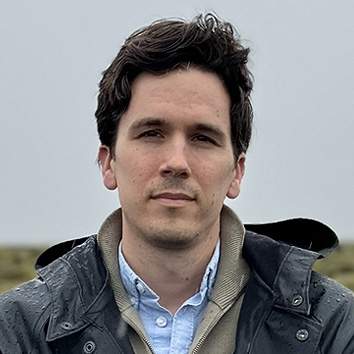
Dr. Valentin Weber, Germany
Valentin Weber is a senior research fellow with the German Council on Foreign Relations (DGAP). His research covers the intersection of cybersecurity, artificial intelligence, quantum technologies, and technological spheres of influence. Weber is also a China Foresight Associate at LSE IDEAS, the foreign policy think tank of the London School of Economics and Political Science. Weber has contributed to major news outlets including Die Zeit, Deutsche Welle, South China Morning Post, and the Associated Press.