

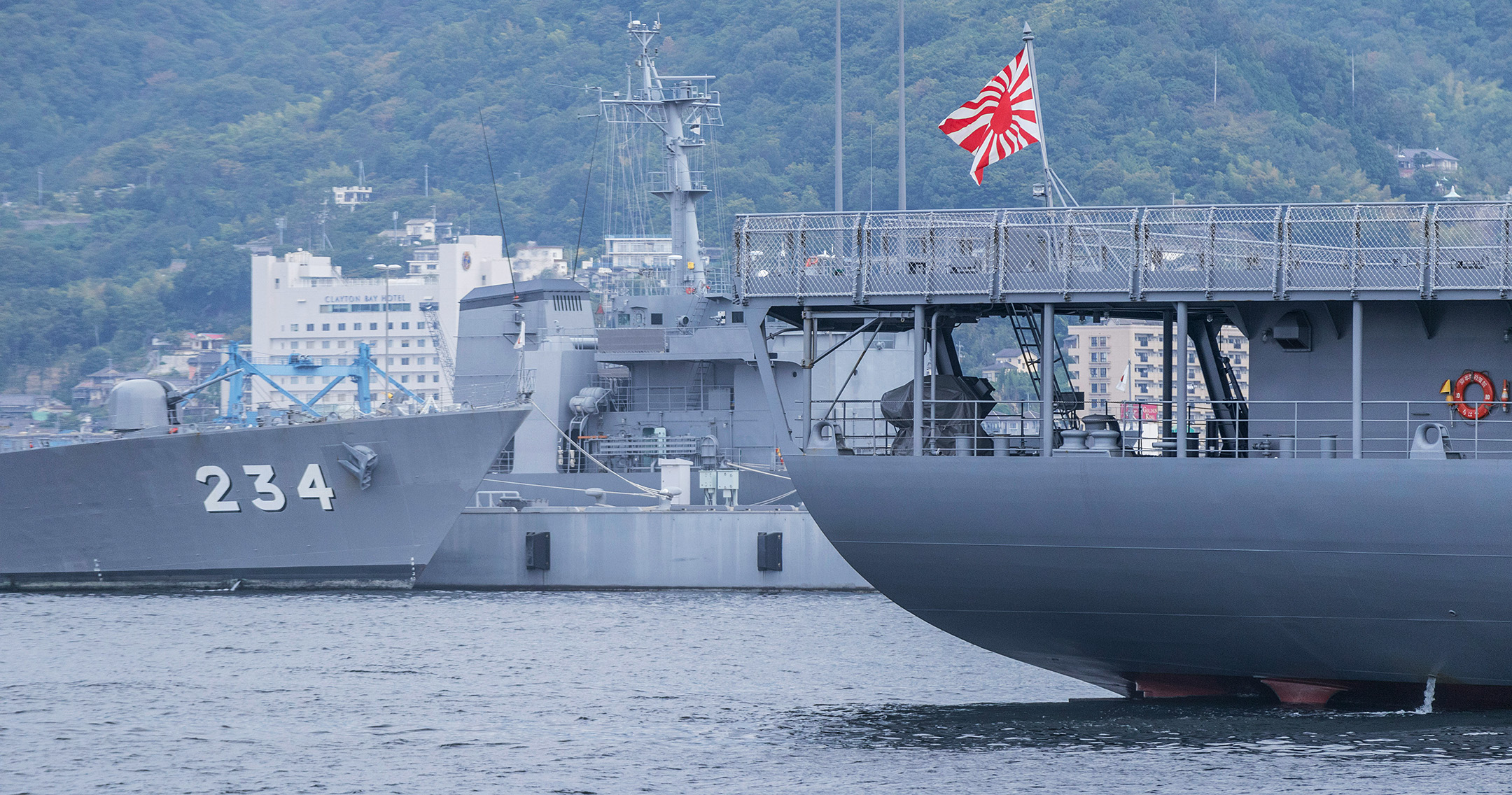
Photo: Unsplash
What is happening?
Tensions are escalating between Tokyo and Beijing, setting various actors in the Indo-Pacific region into motion, as allies on both sides express their support. Russia has pledged to cooperate with China to counter what they called a revival of “Japanese militarism,” while the boycott of all things Japanese is increasingly visible in both the Chinese market and cultural sphere.
Meanwhile, US President Donald Trump has shown support for like-minded partners in the region by advancing closer US–Taiwan relations. In addition, an unexpected agreement was reached between Japan and the Philippines involving the export of defense-command systems.
What is the broader picture?
For more than a month, we have been following the dispute between Chinese President Xi Jinping and Japanese Prime Minister Sanae Takaichi, after the latter implicitly expressed Tokyo’s readiness to provide potential military support for Taiwan in the event of a Chinese attack. Beijing responded with several measures, including intensified diplomatic pressure and the deployment of its coast guard vessels to the disputed waters around the Senkaku Islands (also known as the Diaoyu and Diaoyutai by China and Taiwan respectively), creating great tension.
Instead of the anticipated de-escalation, the situation has triggered a chain reaction, with both sides, and their allies, responding in turn. Diplomatic and economic tensions continue to rise, as the two ideological blocs sharpen their boundaries.
China has received symbolic backing from the Kremlin, reflected in a Chinese Foreign Ministry statement that both countries agreed to “resolutely counter any attempts to revive fascism or Japanese militarism.” This consensus on the “Japanese question” was reached during Chinese Foreign Minister Wang Yi’s visit to Moscow and his meeting with Russian Security Council Secretary Sergei Shoigu.
Worth mentioning is a “creative” step taken by the Chinese authorities in their anti-Japanese campaign: empty concert halls. Approximately 30 concerts and cultural events featuring Japanese artists were forcibly cancelled across major Chinese cities. This cultural pressure accompanies broader declines in marine goods trade and tourism.
Meanwhile, Trump held calls with both Xi and Takaichi, which all sides described as positive. However, the outcome was far from ideal for Beijing, as the US president went on to sign a bill aimed at deepening cooperation between Washington and Taipei. The news was warmly welcomed in Taiwan, where the Presidential Office highlighted the shared democratic values of freedom upheld by both partners. This move amounts to a warning to Beijing and reflects Washington’s broader strategy of curbing China’s global influence.
The Philippines also played a role as a key ally of the liberal bloc, strengthening defense materiel cooperation with Japan, as both countries respond to China’s expanding military presence. The defense-command system in question, which falls within Japan’s current export rules, would integrate with previously supplied Japanese radar units and support efforts to build a shared air defense network. Manila is also showing interest in Japan’s Type-03 missile, which could become exportable once Tokyo lifts its existing restrictions next year.
Why does it matter?
We are currently witnessing a hardening of the geopolitical blocs in the Indo-Pacific, a region that drives much of the world’s economic growth, supply-chain stability, and security dynamics.
Leaders of the liberal allied countries must balance between the need to maintain diplomatic and trade relations with China, while also demonstrating strength and resilience in response to Beijing’s expansionist policies.
Japan’s experience illustrates how China can leverage its dominant trade position and other states’ dependencies, underscoring the need for effective de-risking for all countries, including members of the European Union and the bloc as a whole.