

Summit 2026

Takeaways from the 12th European Values Summit in Prague
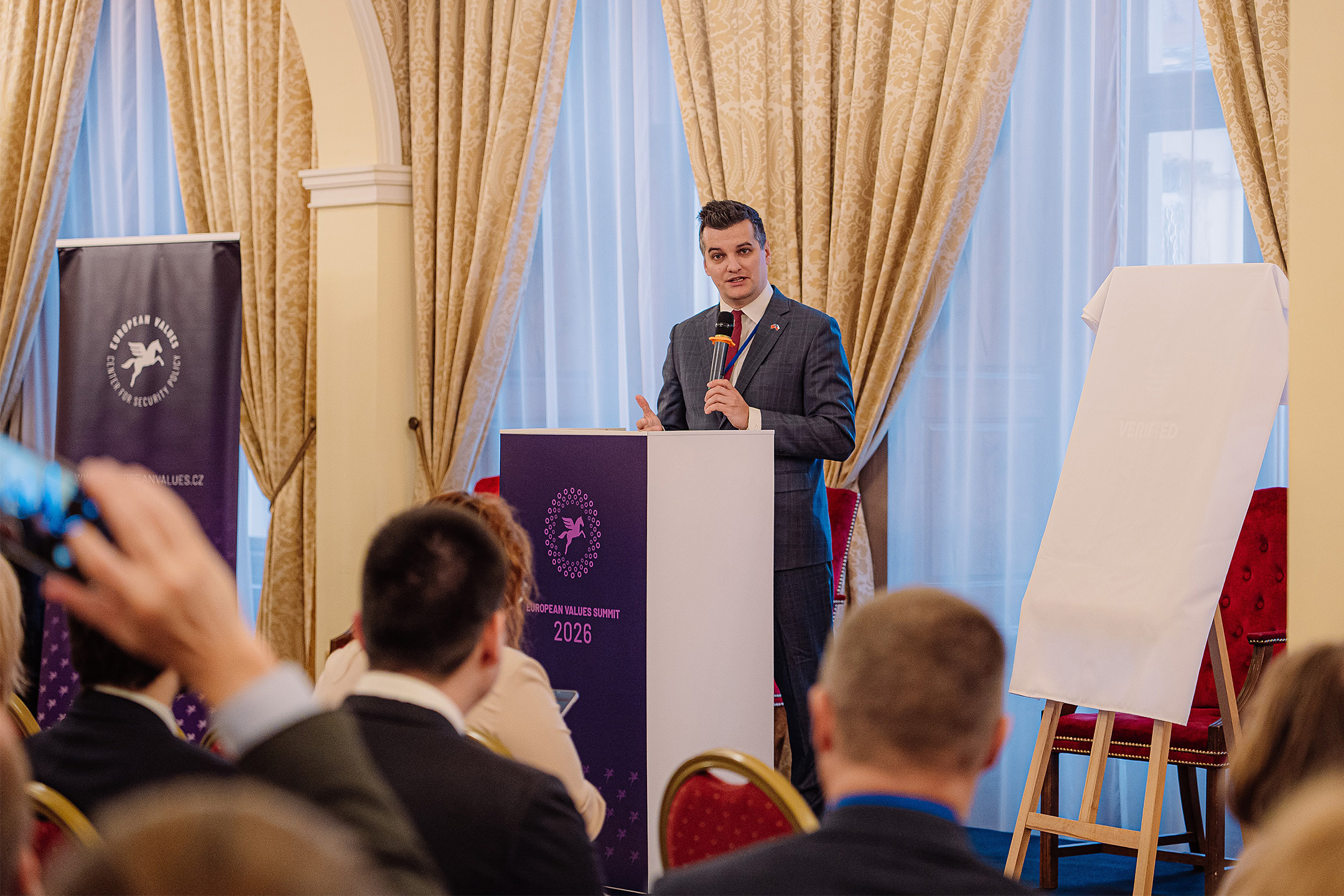
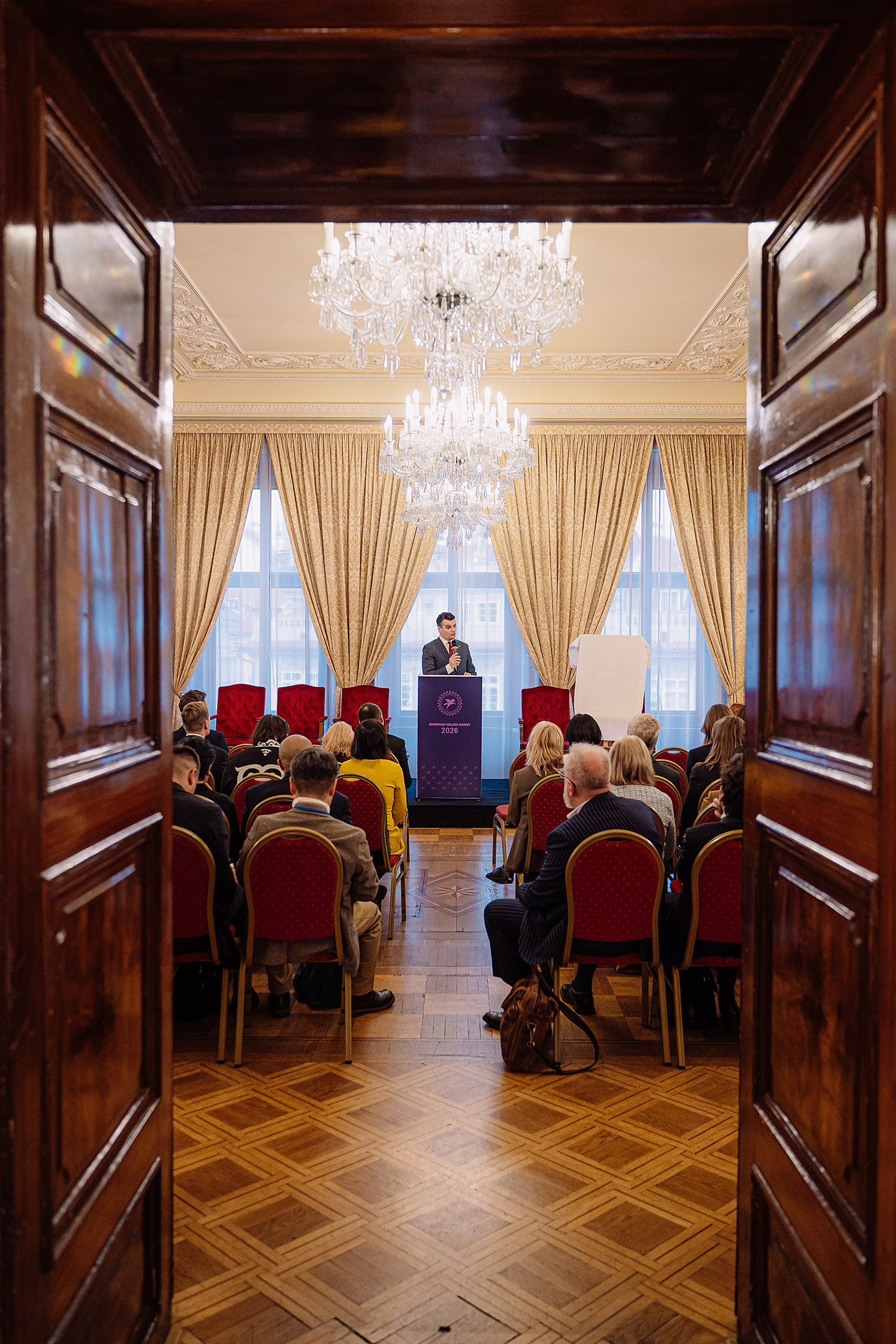
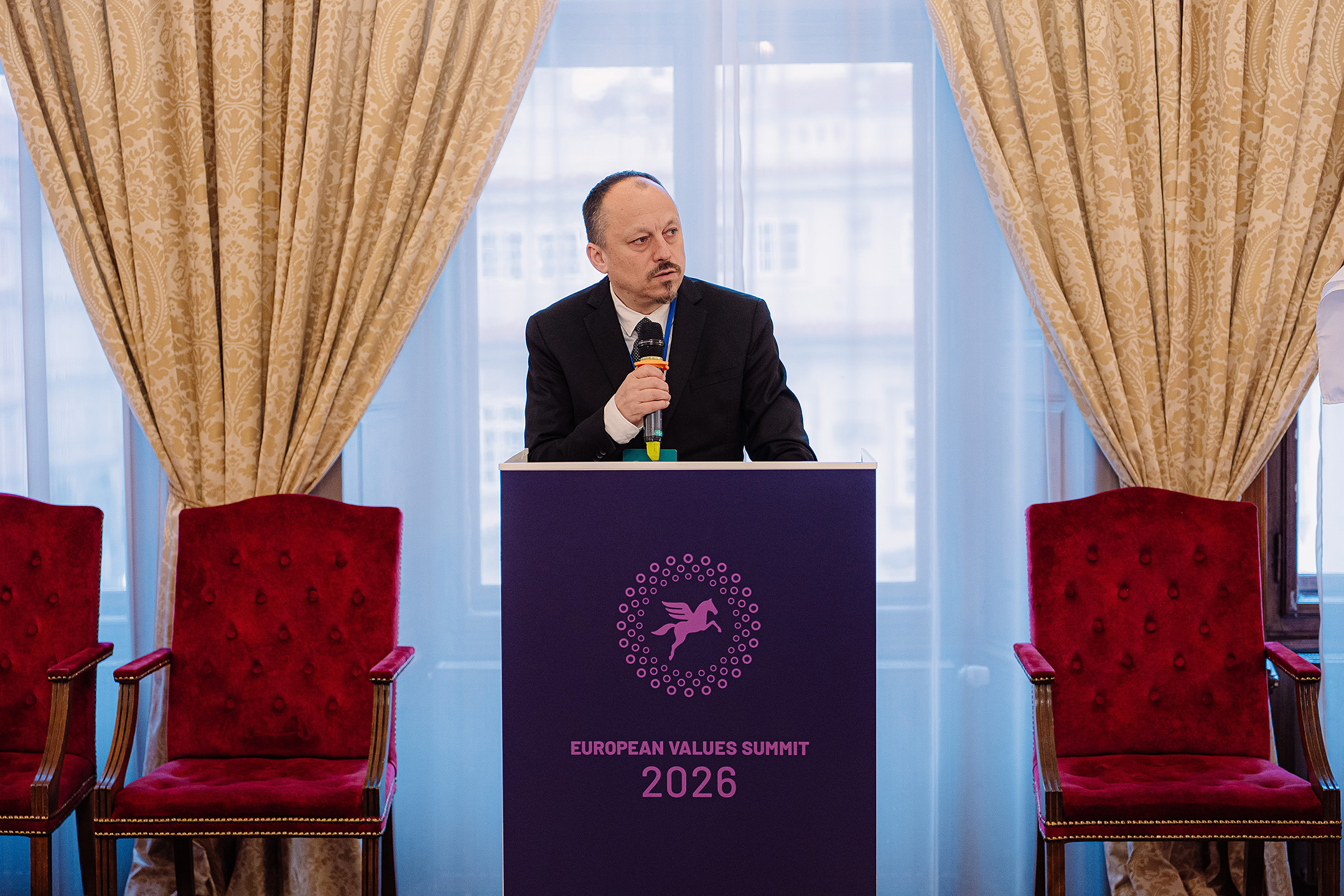
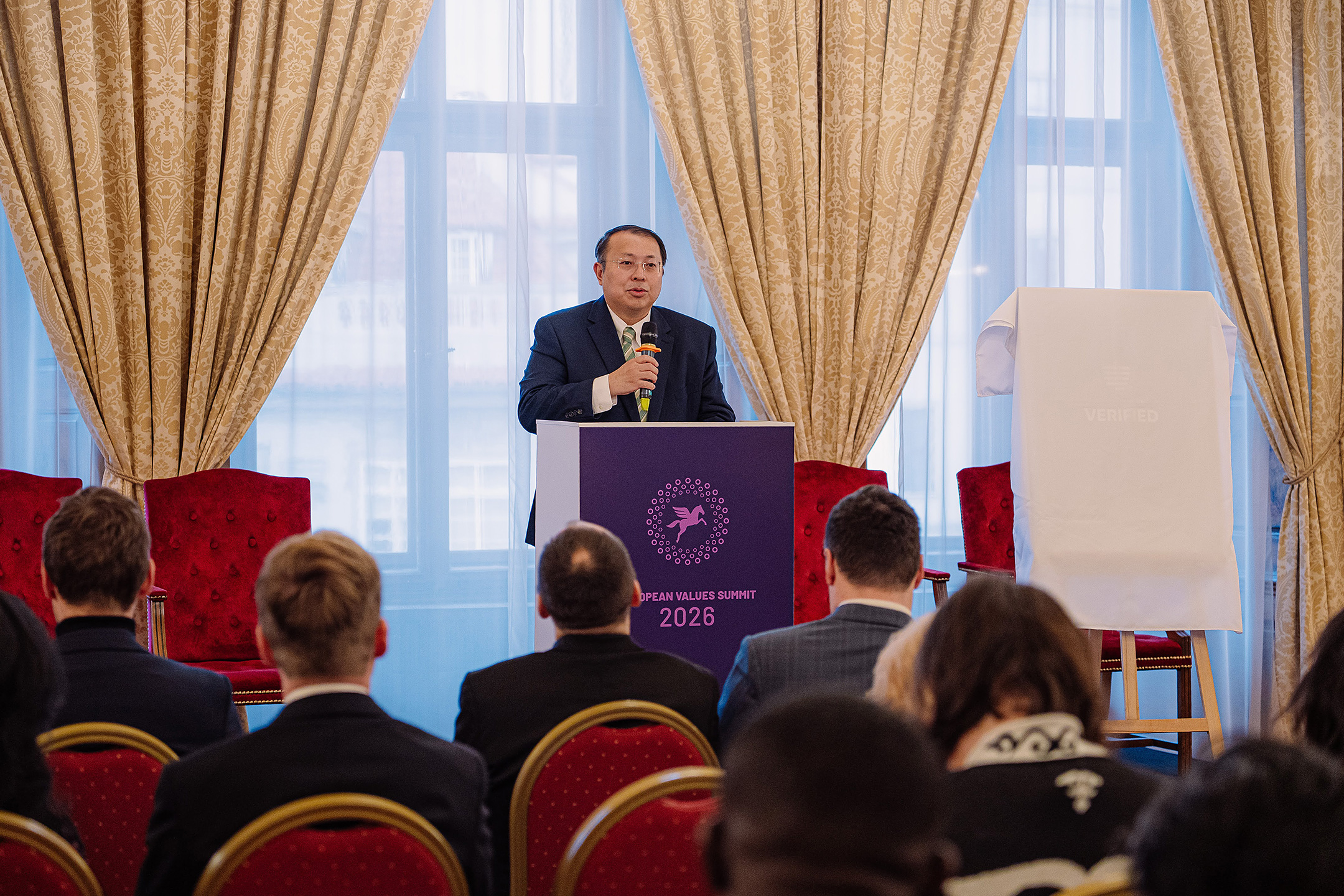
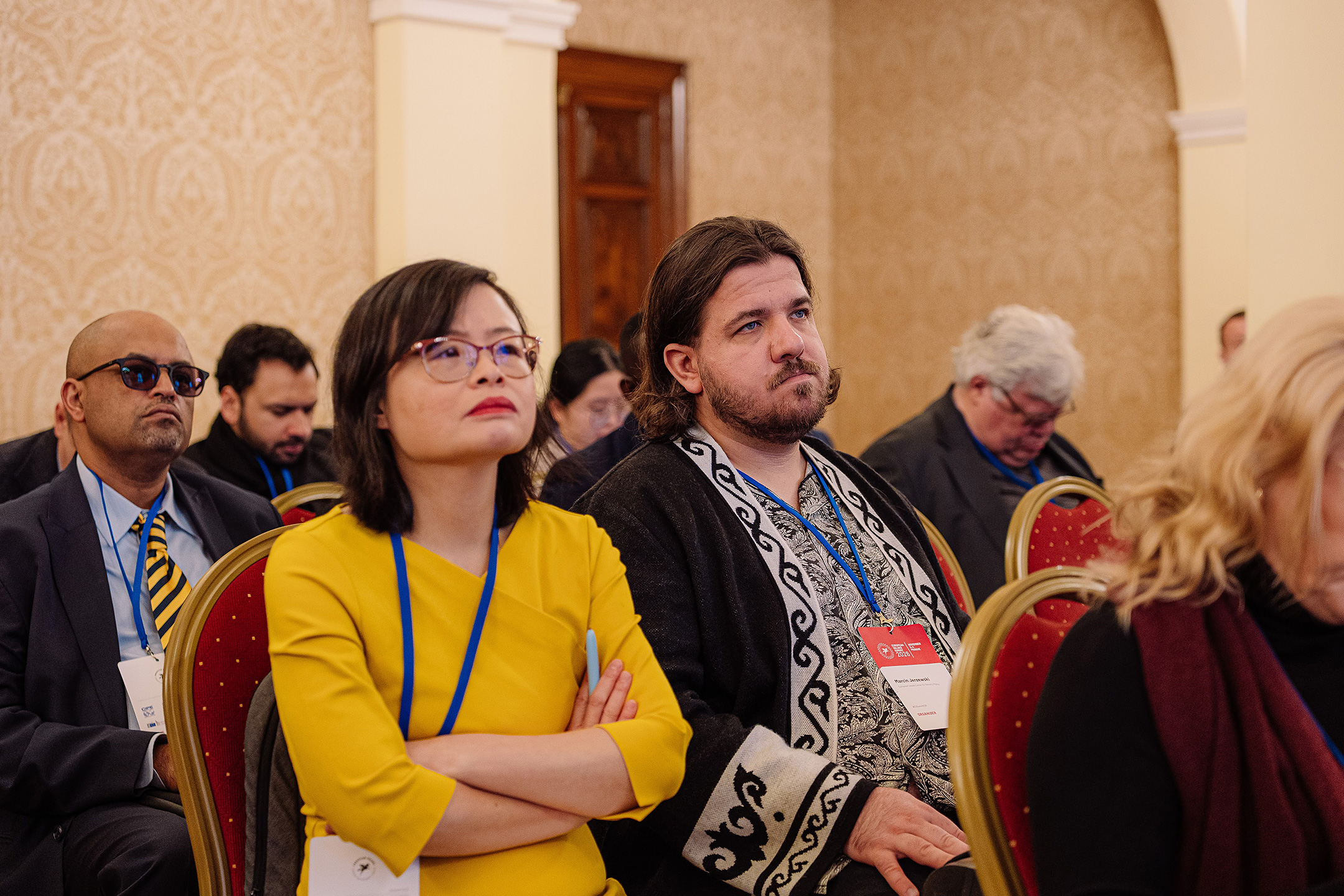
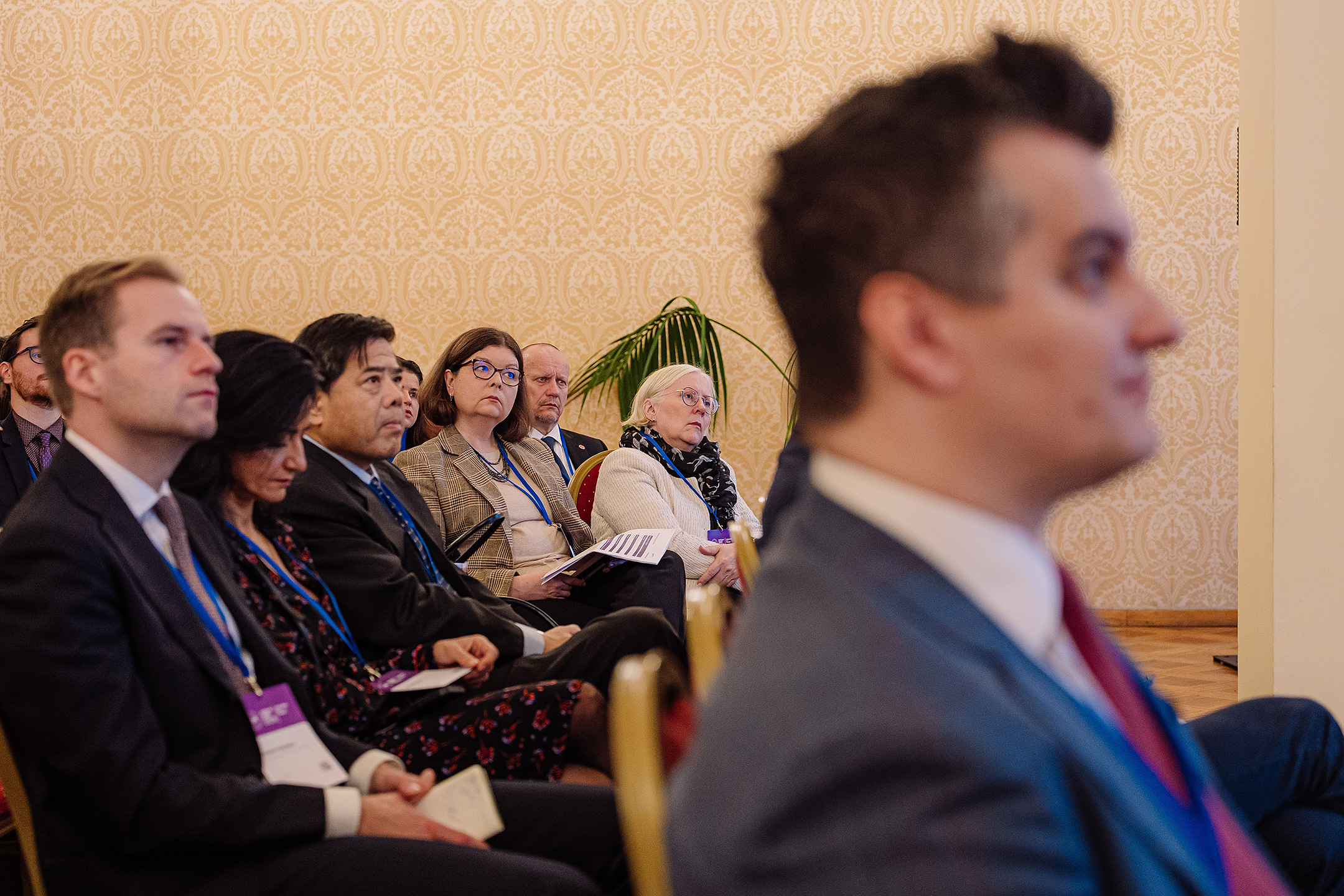
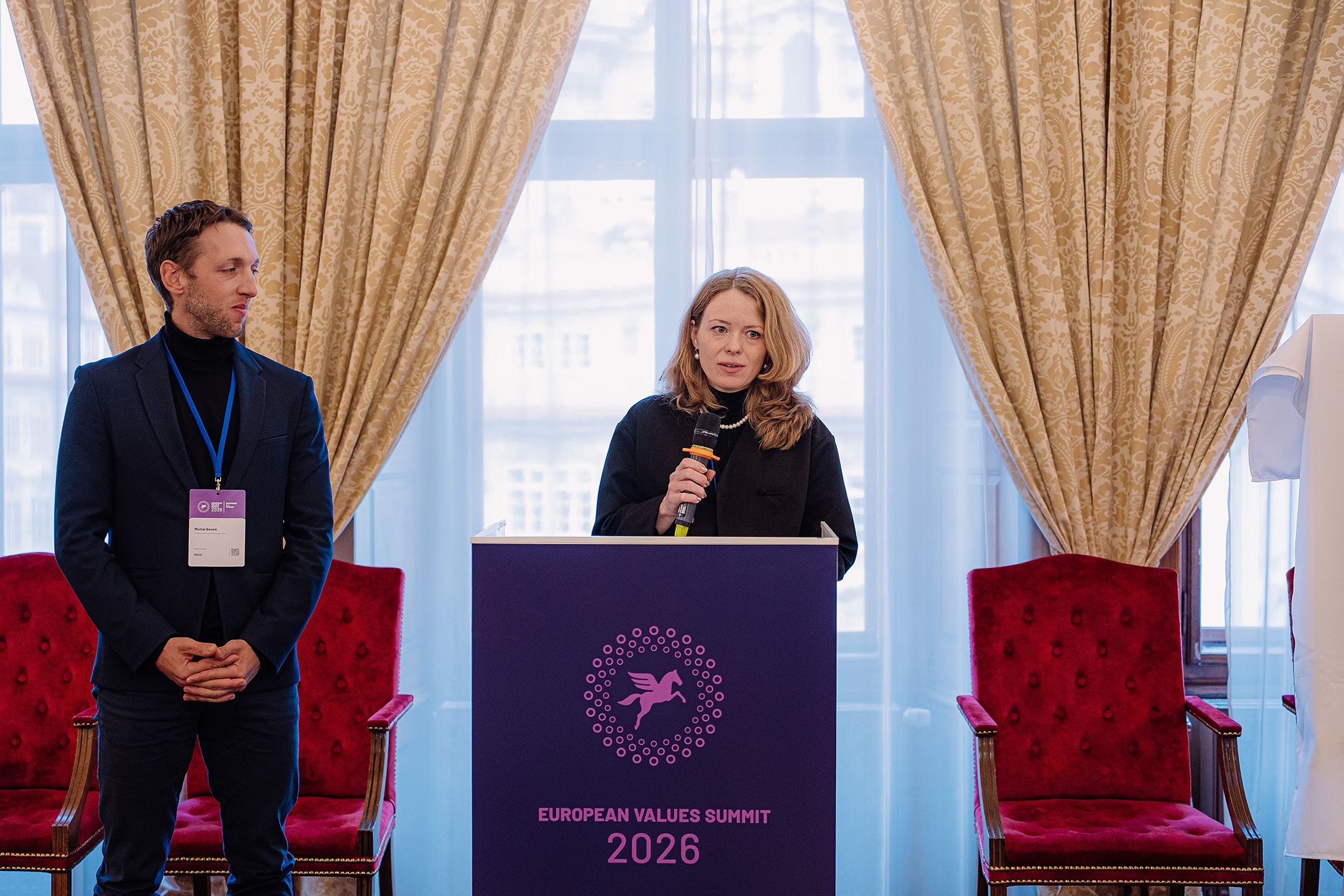
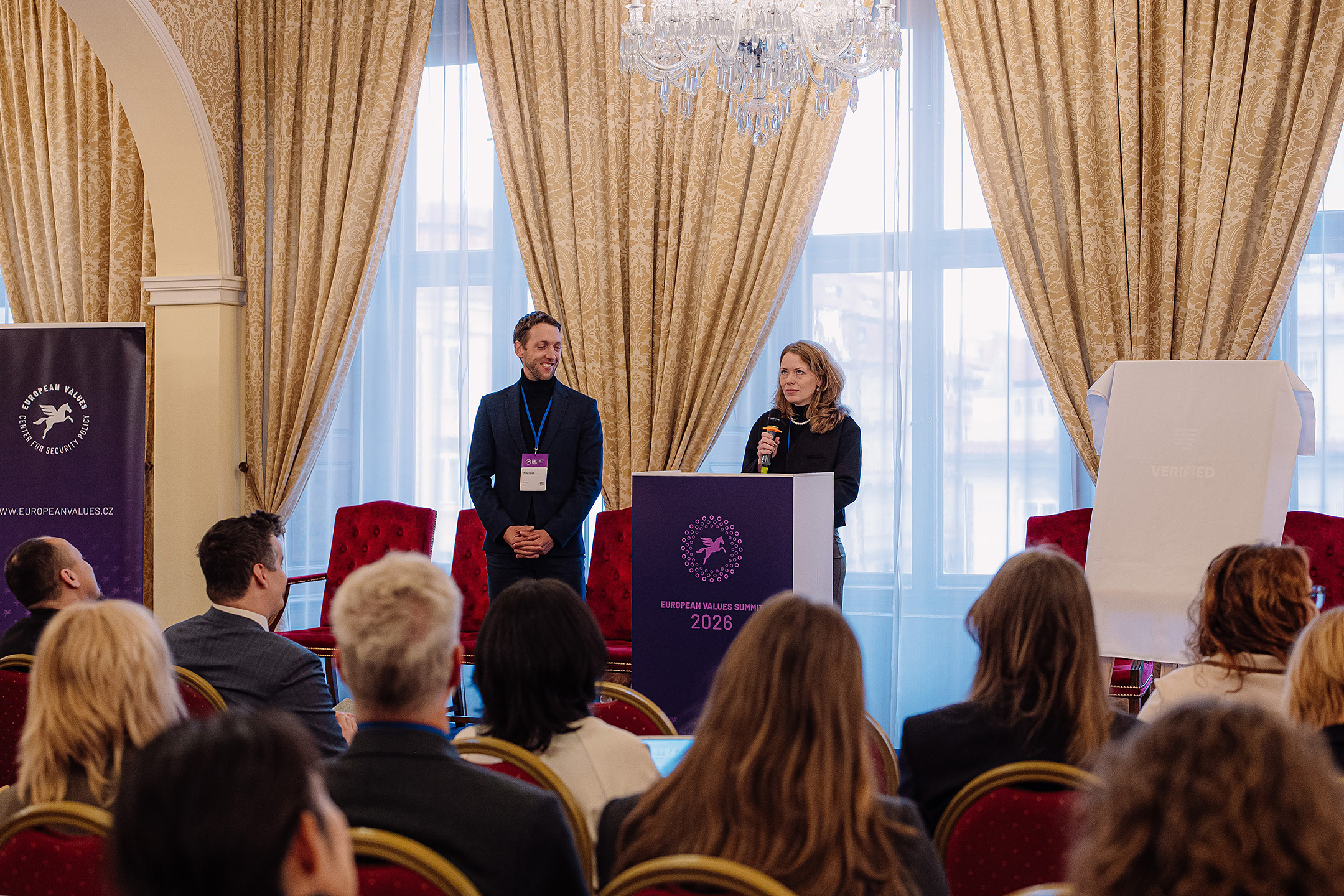
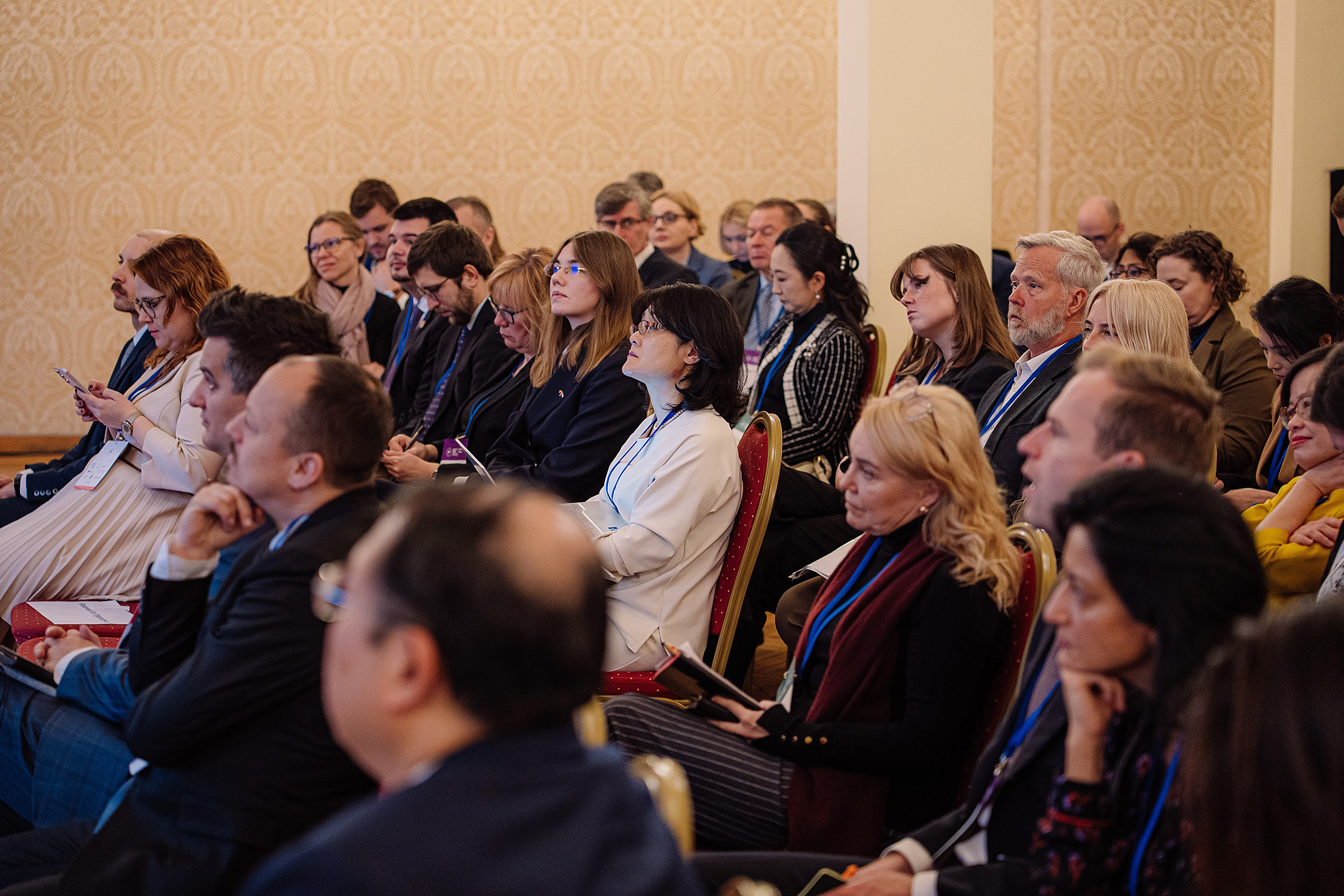
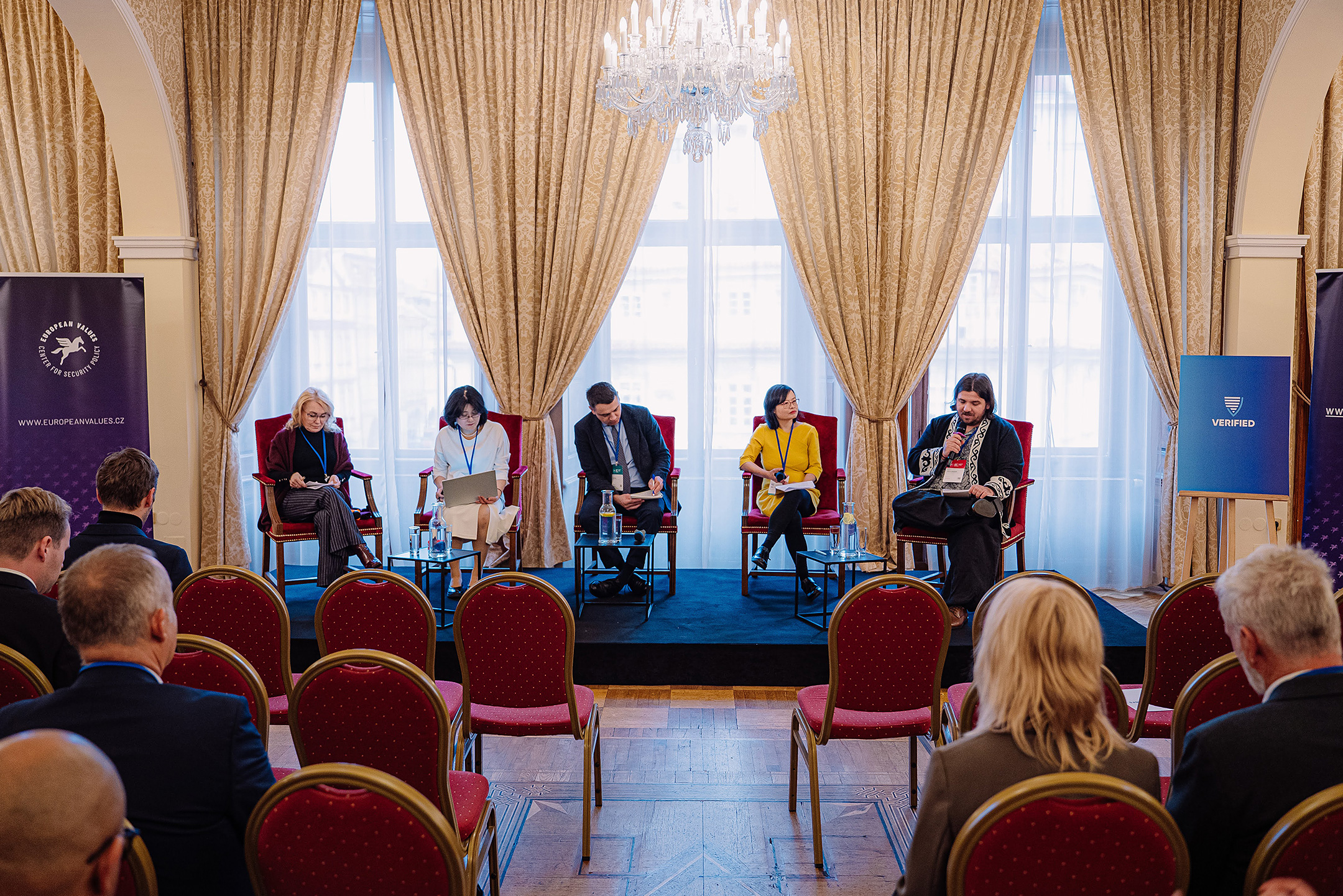
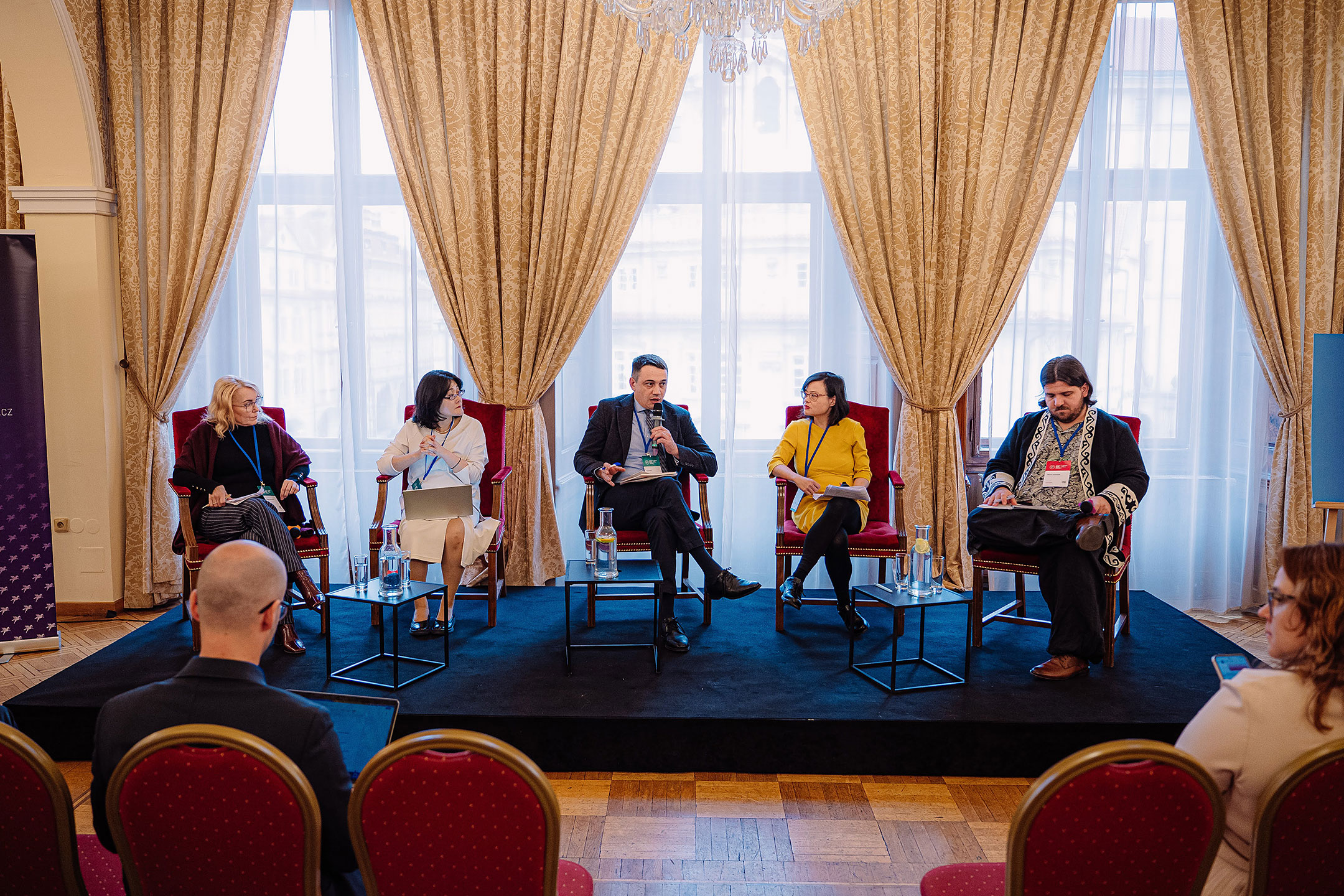
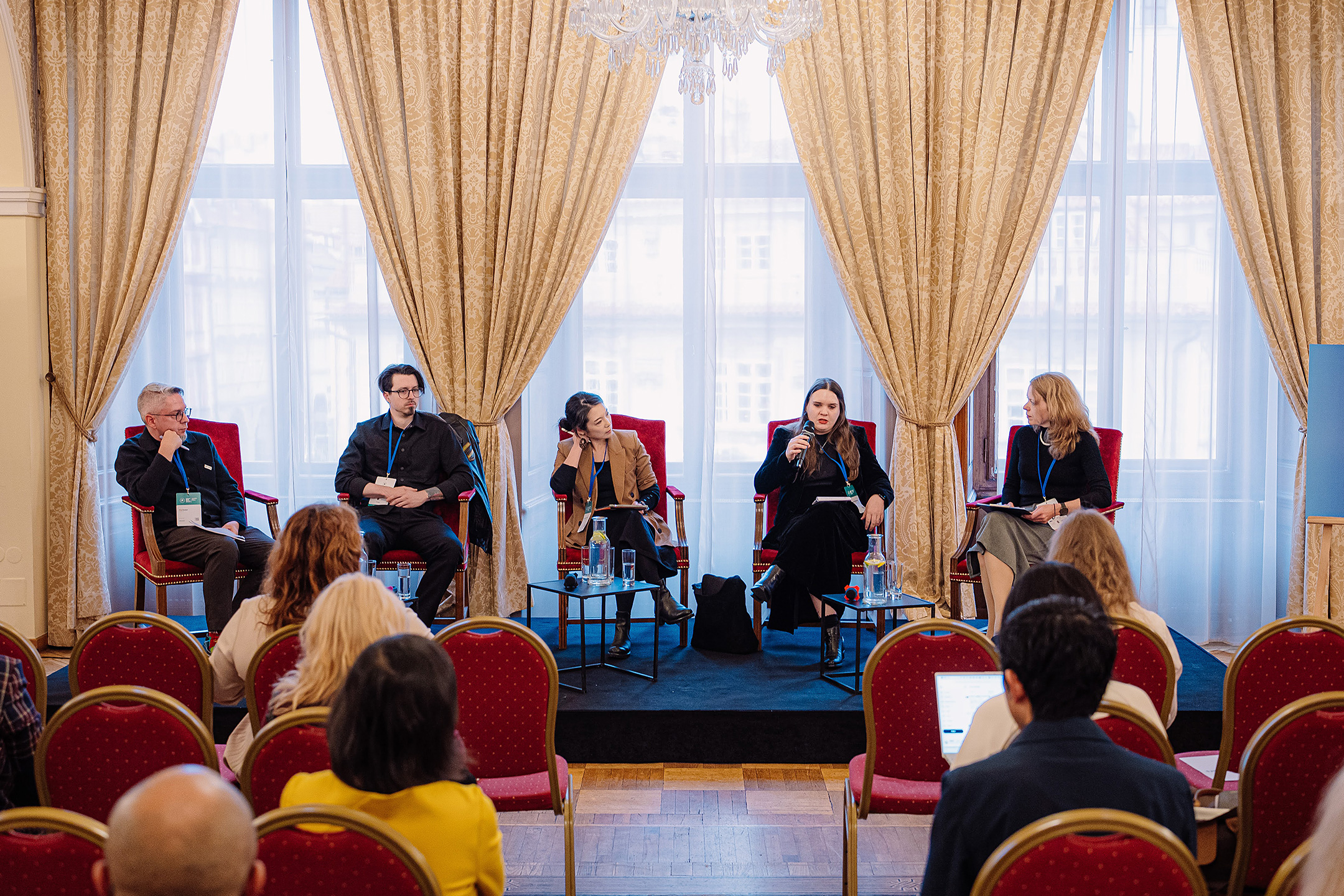
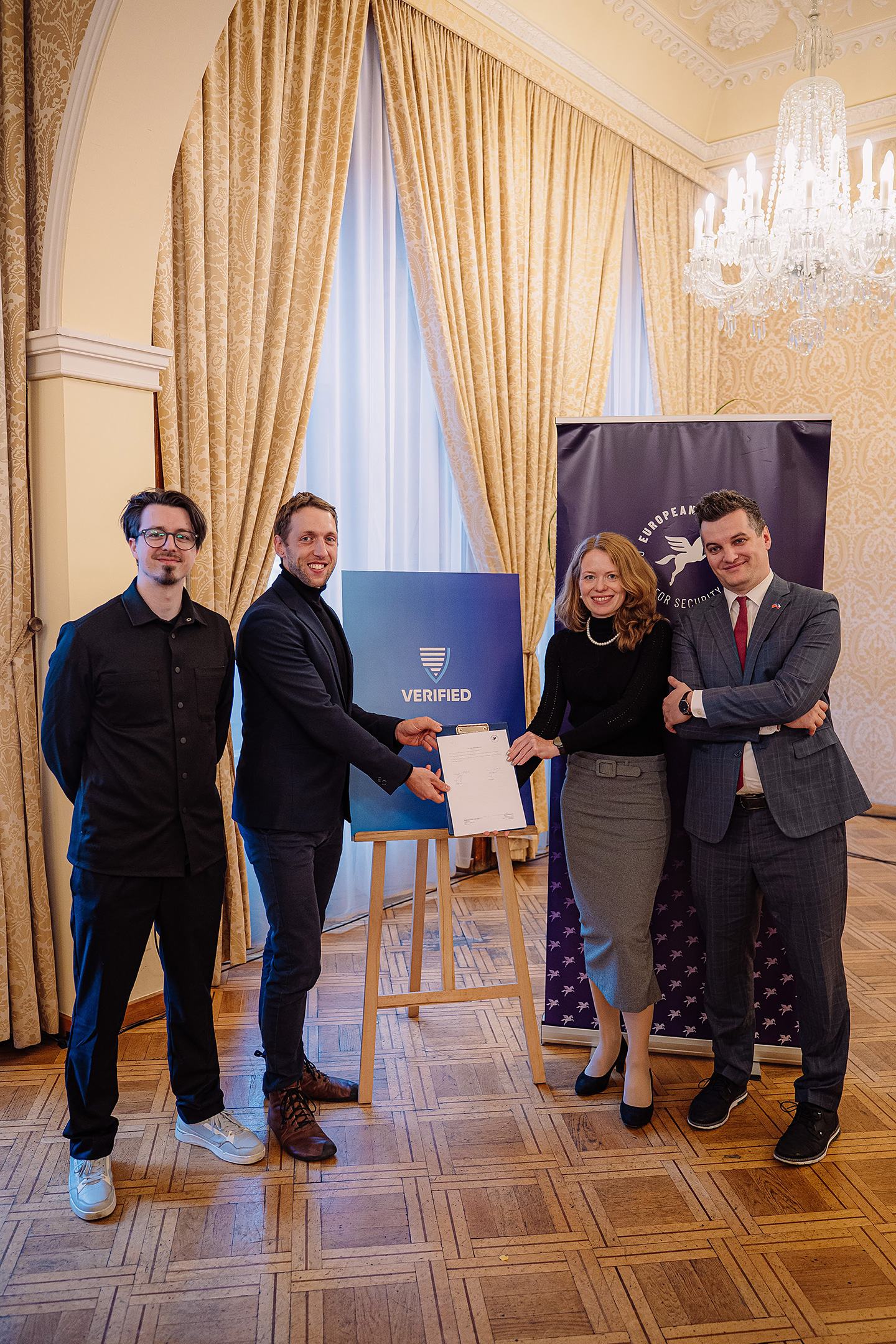
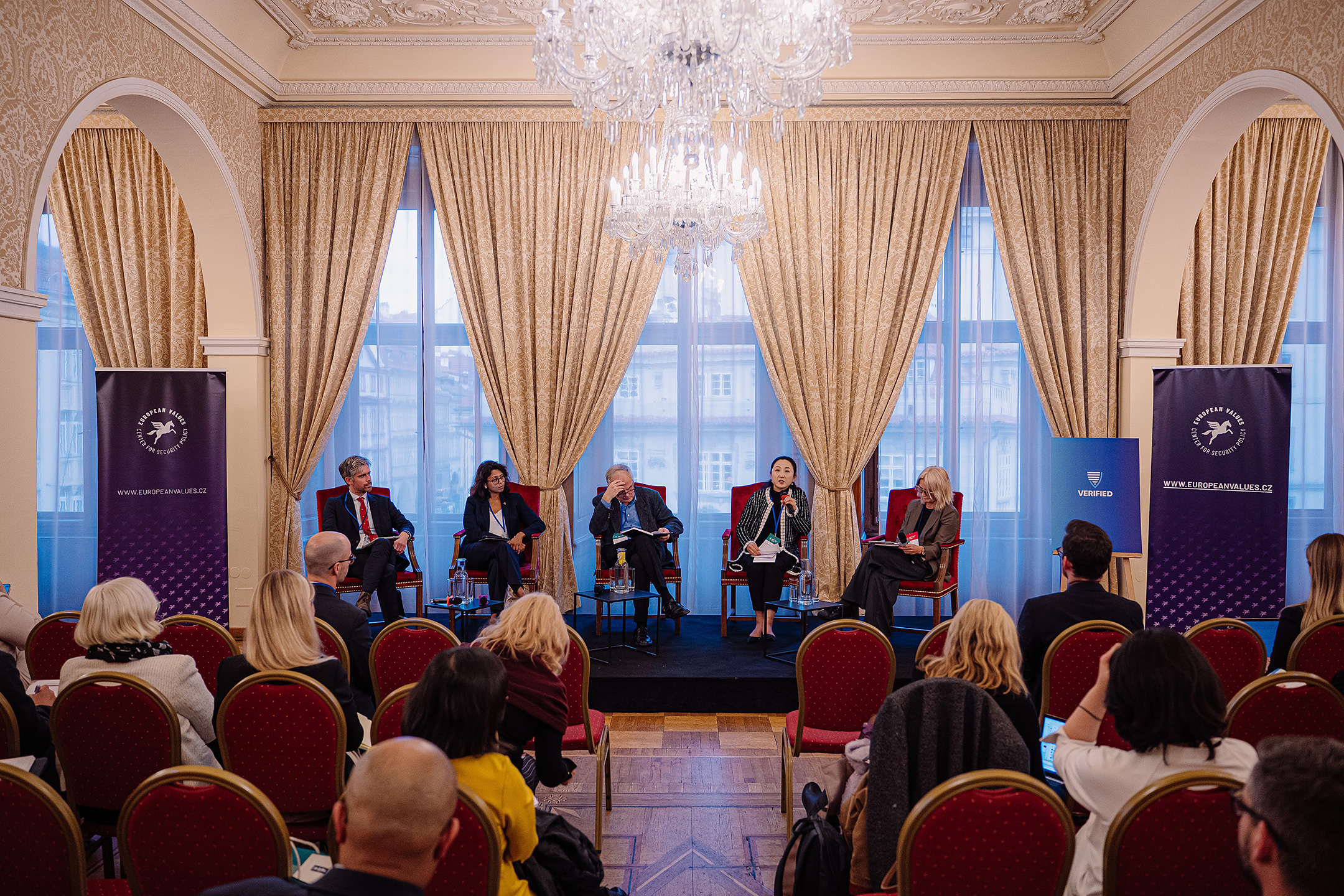
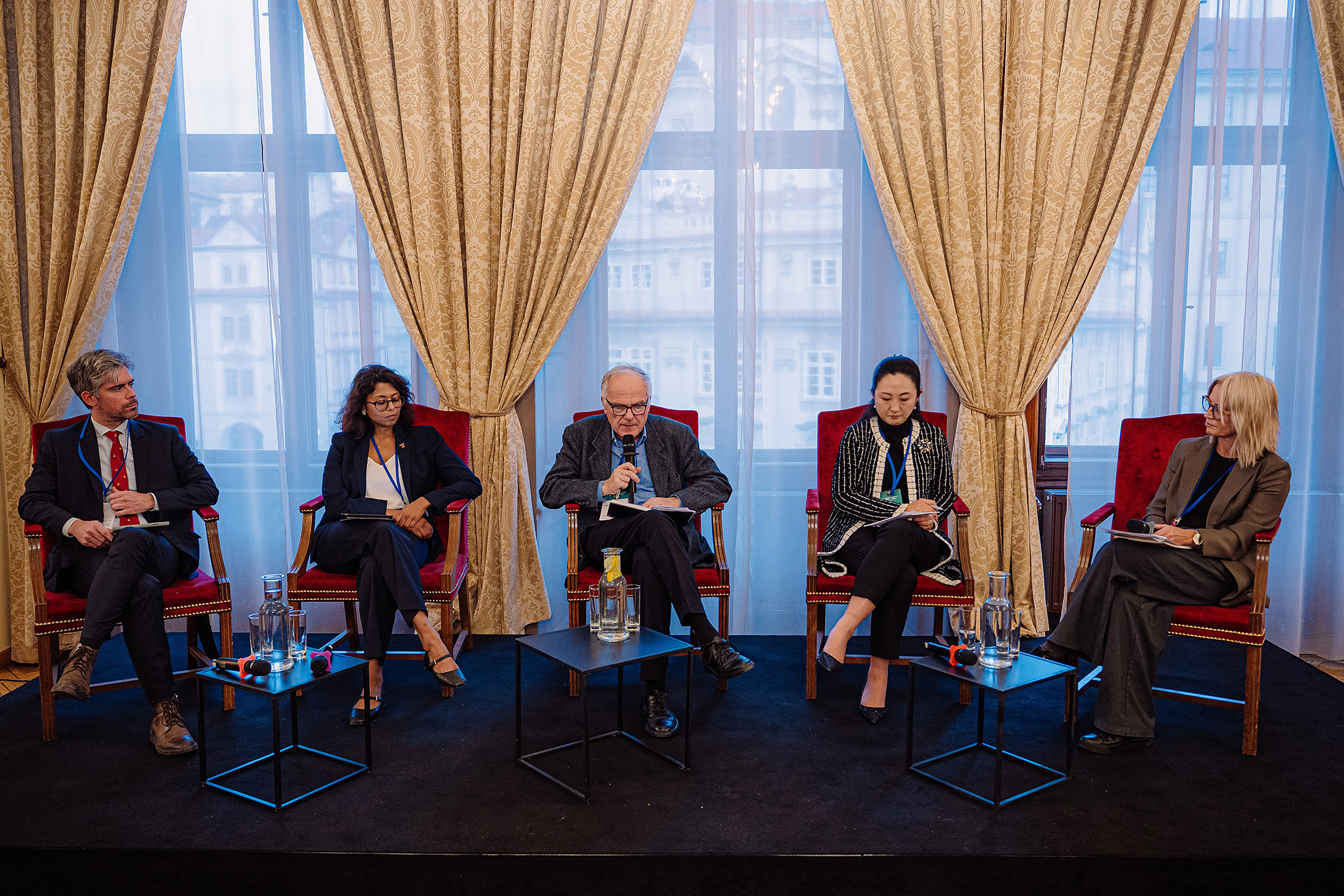
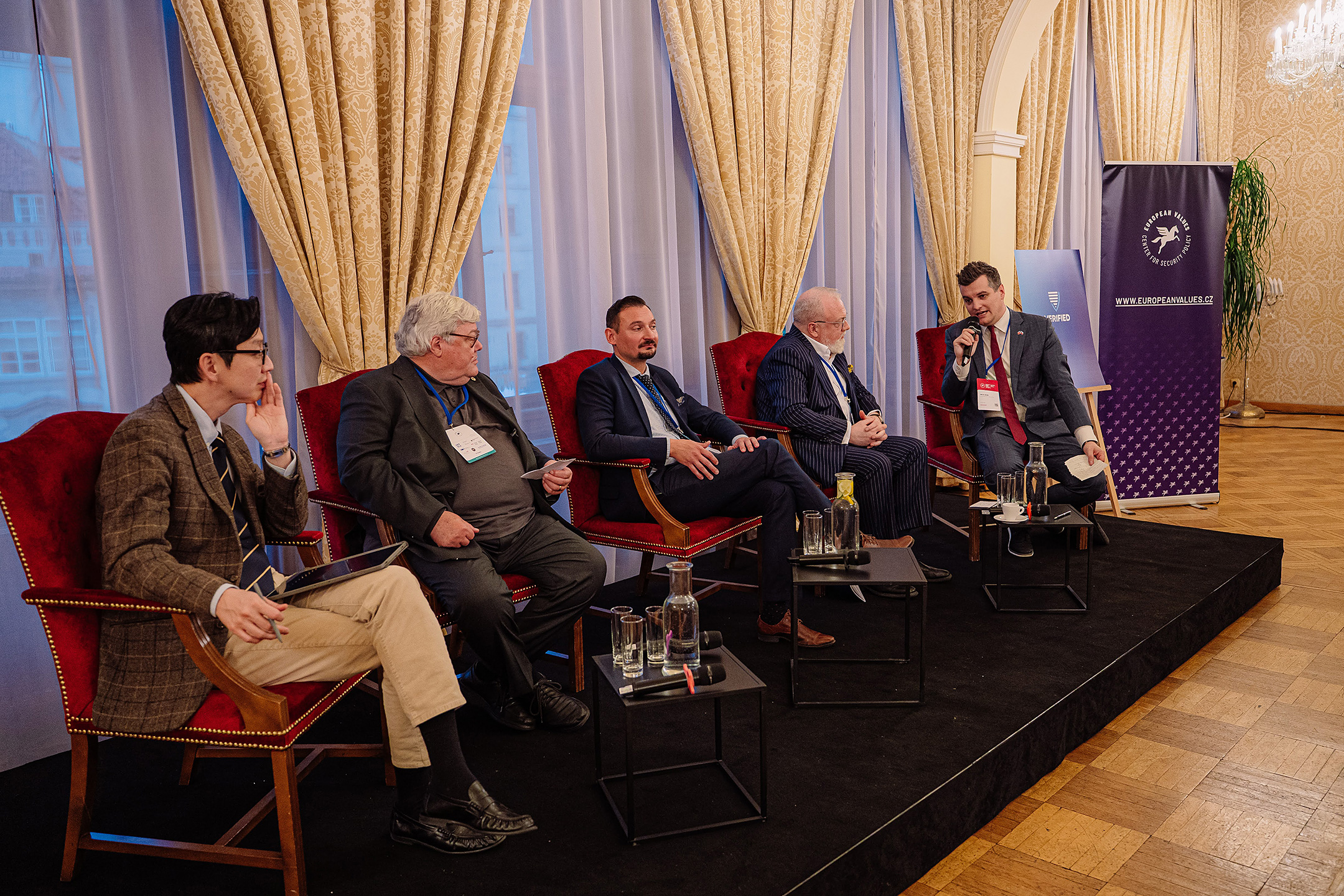
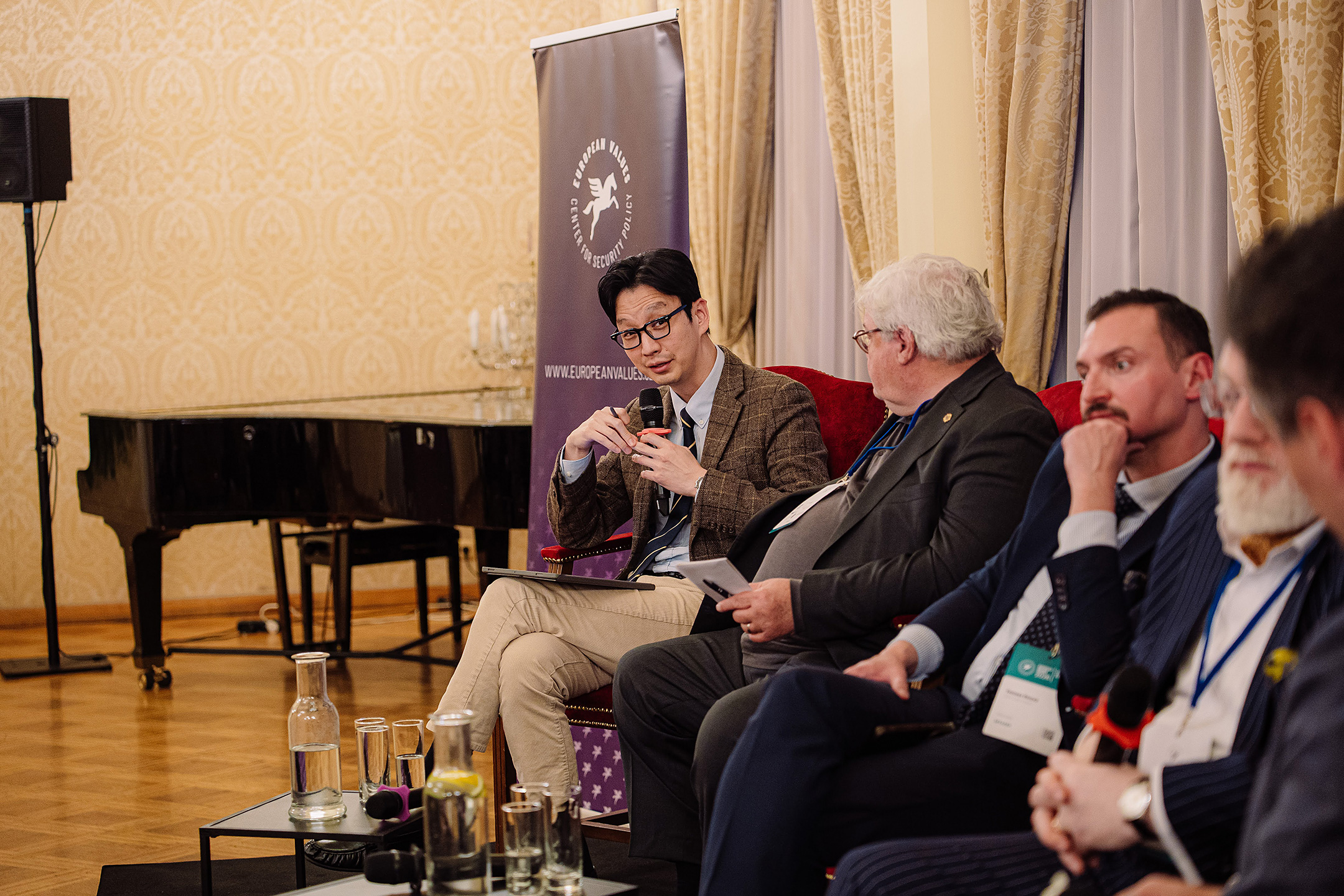
Under the auspices of the President of the Czech Republic, H.E. Petr Pavel, the 12th annual European Values Summit took place in Prague from November 3 to 4, bringing together around 150 attendees. The summit opened with welcoming remarks from Jakub Janda, Executive Director of the European Values Center for Security Policy (EVC), an opening speech by Ladislav Švec, deputy health minister of the Czech Republic, and a keynote address by Dr. Herming Chiueh, former deputy minister of digital affairs of Taiwan. Day 1 featured five expert panels addressing a broad variety of security topics, covering China-Russia collaboration, information resilience, Africa’s experience with foreign investment, Arctic security, and lessons learned from dual-theater simulations. The EVC and its partner, the Creators and Online Media Association (ATOM) also launched their joint project, Verified, focused on information resilience among content creators. On Day 2, participants engaged in an interactive crisis simulation of an “Inter-Theater Contingency in Europe and East Asia.”
PANEL I:
No Limits, No Borders? China–Russia Security Collaboration Across Two Theaters
Moderator: Marcin Jerzewski – Head of Taiwan Office, European Values Center for Security Policy
Panelists:
- Sari Arho Havrén – Associate Fellow, RUSI; Senior Geopolitical Advisor, Business Finland
- Yurii Poita – Senior Associate Fellow at Mercator Institute for China Studies (MERICS); Head of the Asia-Pacific Section at the Center for Army, Conversion and Disarmament Studies (CACDS) in Kyiv
- Atsuko Higashino – Associate Professor in the Faculty of International Studies, University of Tsukuba
- Julie Yu-Wen Chen – Professor of Chinese Studies, University of Helsinki
The panel examined the expanding strategic, military, and technological alignment between Beijing and Moscow and its implications across both European and Indo-Pacific theaters.
Julie Yu-Wen Chen observed that while no formal military alliance exists, the two powers actively enable each other’s presence across theaters through institutional linkages, mutual diplomatic support, such as Russia accommodating Beijing’s growing footprint in Central Asia, and strategic signaling, including reciprocal drills that Europe cannot afford to overlook just because there is no blood. She noted that Beijing treats the war in Ukraine as a strategic laboratory to rapidly integrate modern battlefield data into the People’s Liberation Army (PLA.)
Yurii Poita underscored the material surge underwriting this cooperation, pointing out a tenfold increase in Chinese components within Russian weaponry in recent years, including the supply of advanced drone engines, the Chinese role in a dramatic revitalization of Moscow’s defense manufacturing base, and joint efforts to develop a “Russian Starlink.” He further warned that the People’s Republic of China (PRC) runs sophisticated cognitive operations aimed at dividing Europe and separating it from the United States.
Atsuko Higashino challenged optimistic assessments that downplay the China-Russia partnership just because there is no formal military alliance, cautioning that joint exercises, and shared hybrid tactics, such as coordinated information manipulation, already force regional democracies onto the defensive. She emphasized that allies must urgently strengthen sanctions enforcement and early warning mechanisms, rather than waiting for Beijing and Moscow to become formal, fully integrated military allies.
Sari Arho Havrén characterized the relationship as deep strategic coordination driven by a mutual ambition to dismantle the current international and security order, stressing that attempts to split Beijing and Moscow are unrealistic, because the U.S. alone lacks decisive leverage and joining forces with Europe seems currently unlikely. She concluded that Europe must recognize China not merely as a facilitator of Russia’s aggression against Ukraine, but as an autonomous, direct security challenge.
PANEL II:
Beyond the Usual Suspects: New Voices and New Frontiers of Information Resilience
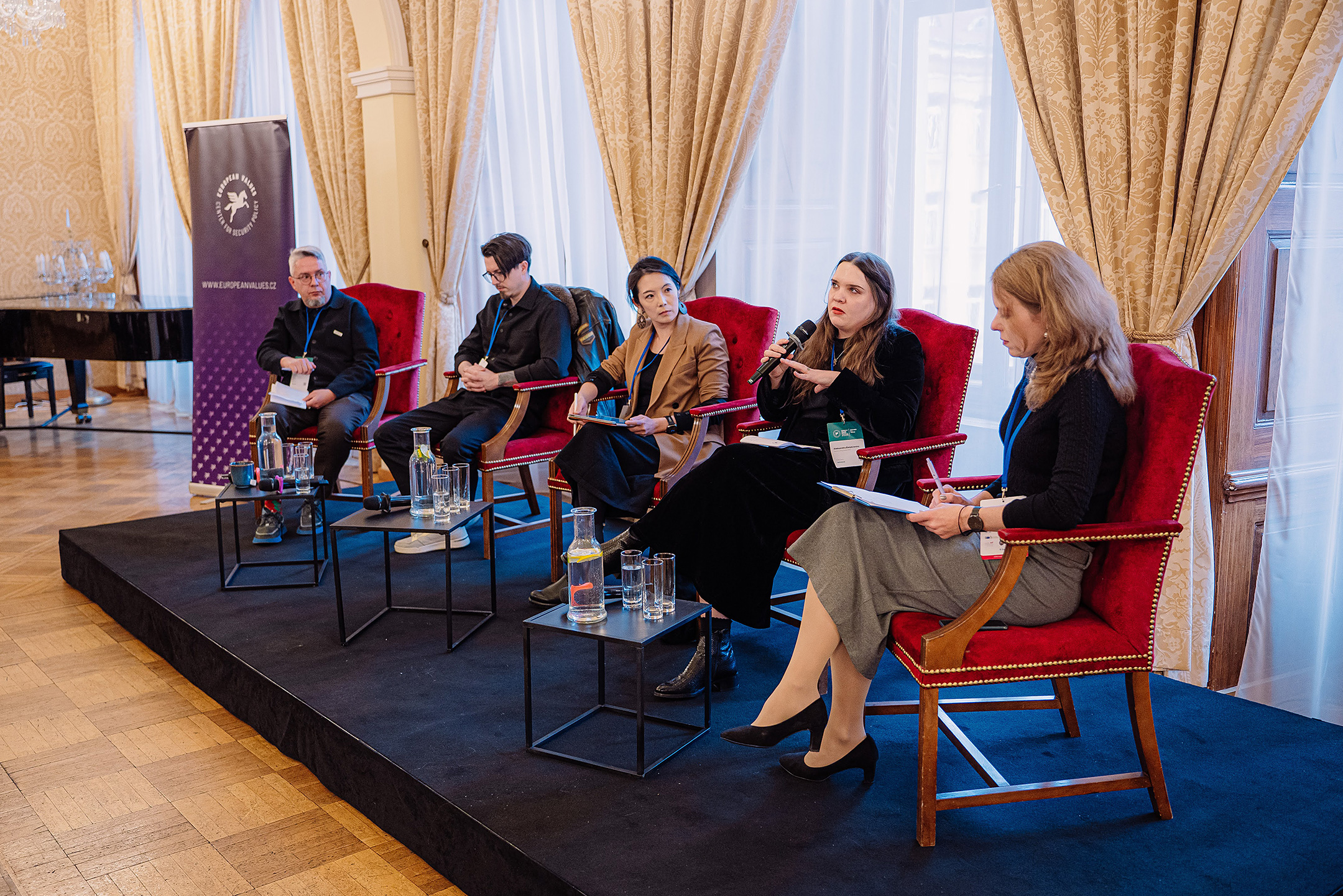
Moderator: Zuzana Košková – Head of Red Watch Program, European Values Center for Security Policy
Panelists:
- Sinead Hsi-Yi Chen – CEO, Science Media Center Taiwan
- Jiří Burýšek – Creator & President, Creators and Online Media Association (ATOM)
- Filip Noubel – Deputy Director, inVOC project
- Aleksandra Bielakowska – RSF Advocacy Manager and Taiwan Chapter Chairperson, Reporters Without Borders (RSF)
The evolving frontiers of foreign information manipulation and interference (FIMI) were the subject of the second panel, with a focus on vulnerabilities in science communication, digital creator ecosystems, and authoritarian propaganda coordination.
Sinead Hsi-Yi Chen detailed the work of the Science Media Center Taiwan, illustrating how proactively linking journalists with a vetted network of scientists can inoculate against distorted narratives before misinformation and panic start to spread. She gave the example of the Fukushima wastewater discharge, where preemptive technical briefings with journalists were held beforehand. Chen emphasized that because FIMI frequently inflames existing societal tensions through social media and messaging apps, the primary defense lies in preserving information integrity and training scientific experts to communicate accessible, evidence-based facts directly to reporters and creators.
Jiří Burýšek shared his firsthand experience as an educational YouTuber encountering coordinated historical revisionism regarding the 1968 Prague Spring. This disinformation was aimed at shifting the blame from Russians to Ukrainians. He warned of the psychological trap of repeated exposure slowly normalizing even absurd narratives. To counter creators unintentionally amplifying hostile talking points, he advocated for ethical codes of conduct and highlighted how ATOM trains influencers in information resilience, national defense awareness, and avoiding exploitation by malign actors.
Filip Noubel urged democracies to actively engage global Chinese-speaking communities to foster genuine “China competence,” and protect against transnational repression. He characterized the collaboration in the media sphere between Moscow and Beijing as a loose alliance and opportunistic convergence rather than an absolute monolith, noting contradictions such as Russian nationalist bloggers who see China as the biggest threat or citizens in China supportive of Ukraine.
Aleksandra Bielakowska warned of a critical awareness gap across Europe regarding Beijing’s global information operations, pointing out that while Russian media face extensive bans in European cyberspace, Chinese state media continue to operate unhindered, strike international collaboration deals, and silence coverage of sensitive topics such as Tibet, Taiwan or Uyghurs. Highlighting institutionalized state collaboration, she noted that Russian outlets such as Russia Today and Sputnik enjoy access to China’s tightly controlled intranet, while Chinese correspondents are granted exclusive access to Russian-occupied Ukrainian territories, helping to deeply reinforcing each other’s narratives.
PANEL III:
Infrastructure, Influence, and Governance: Lessons from Africa’s Experience with Foreign-Financed Infrastructure
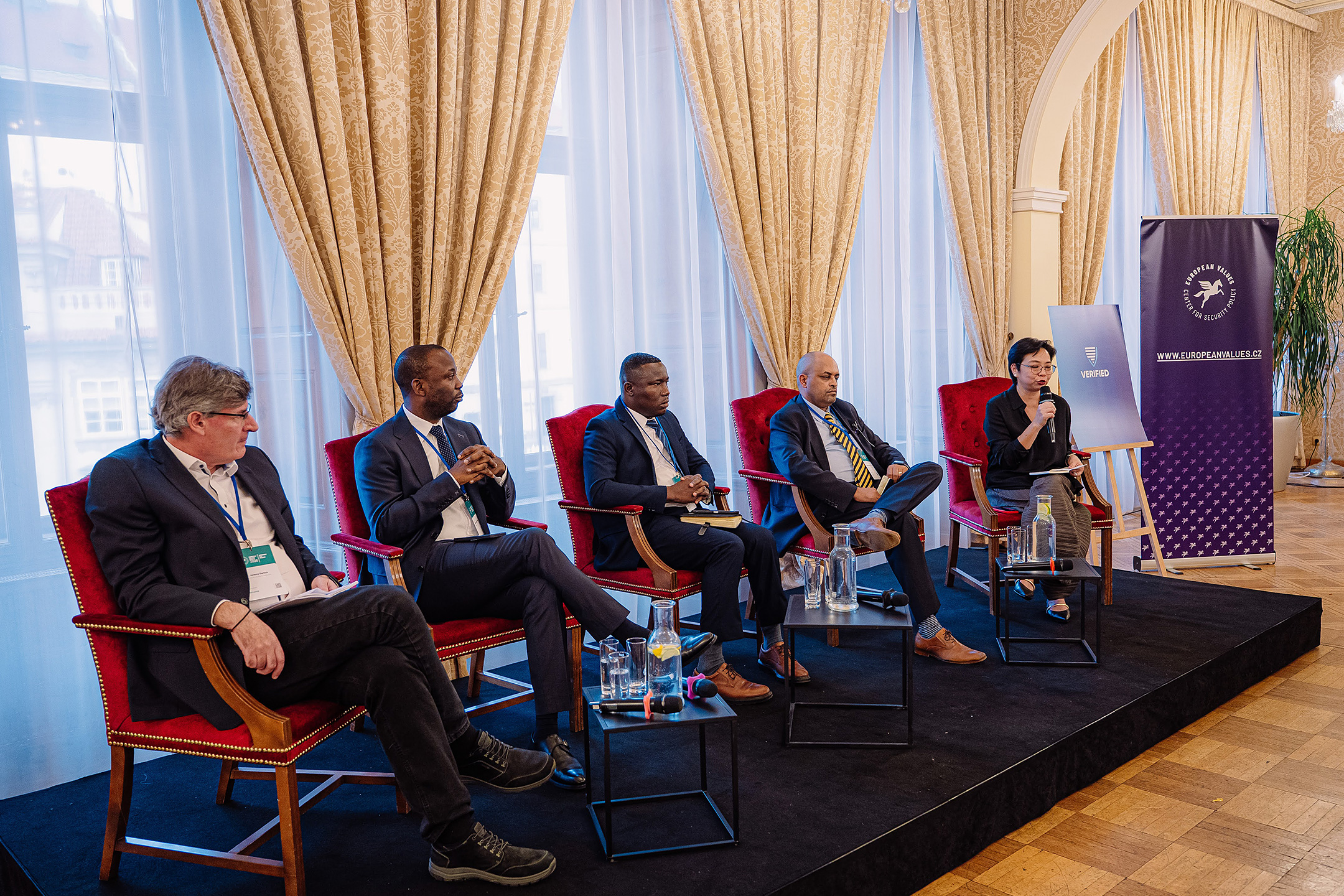
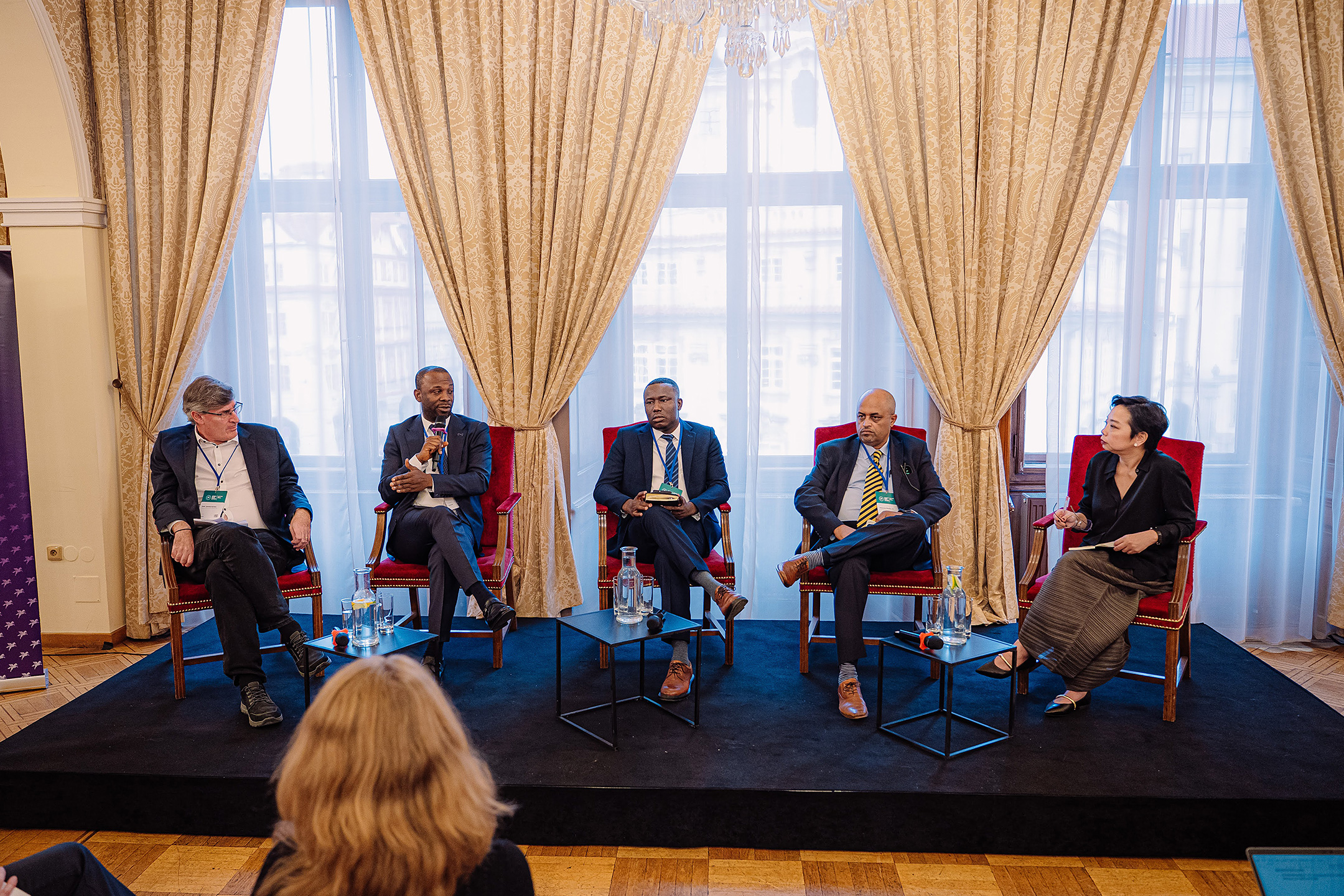
Moderator: Ria Orca – Program Manager, CIPE
Panelists:
- Samuel Manu – Economist, Institute of Economic Affairs
- Oluseyi Olufemi – Country Director, Dataphyte
- Yohannes Assefa, J.D. – Managing Director, Stalwart Management Consultancy Services LLC
- Jeremy Garlick – Director of the Jan Masaryk Centre for International Studies, Prague University of Economics and Business
The third panel examined the governance challenges, fiscal vulnerabilities, and geopolitical dynamics surrounding foreign-financed infrastructure across Africa, contrasting Beijing’s tangible delivery model with Western engagement.
Samuel Manu explained why Western calls for economic “decoupling” from China are often impractical for African nations, which face immense infrastructure deficits. He pointed out that Chinese capital arrives swiftly and fills critical developmental gaps when alternative funding is absent, adding that ordinary citizens are increasingly inspired by China’s rapid modernization and visible results in their countries. These include infrastructure such as roads and hospitals built by China, fueling a dangerous regional disillusionment with slow-moving democratic institution-building and popularizing the appeal of a “benevolent dictator” to drive economic progress.
Oluseyi Olufemi argued that issues such as debt traps stem from a lack of knowledge about how to engage with loans to fill infrastructure deficits, but also from the lack of alternatives. He warned that if democratic partners like the European Union, the U.S. or Taiwan fail to provide accessible financing alternatives and establish themselves as reliable allies that share values with their African counterparts, the continent’s 54 votes in the United Nations are likely to align with authoritarian regimes.
Yohannes Assefa explained that Chinese engagement has largely shifted from broad, low-cost initiatives toward high-return, economically viable projects, with Beijing leveraging debt traps to get access to strategic resources and agricultural trade, while securing diplomatic allegiance and UN backing. He stressed that diplomatic influence is the main objective and economic interest is secondary. Despite admitting that debt traps have fueled unrest in countries like Kenya, he noted that many communities across Africa still value essential infrastructure projects built by China, even if these are subpar, for the simple fact that they are desperately needed.
Jeremy Garlick argued that European leaders fail to recognize that China is often simply “the only game in town,” emphasizing that Beijing has learned from past poor quality-related infrastructure missteps and is steadily winning global public opinion across the Global South due to perceptions of increased reliability and consistency. He urged Europe to move past its image of delivering patronizing lectures on democracy and human rights instead of providing much-needed infrastructure. He also encouraged Europeans to better listen to their African partners about what they need, and offer solutions that are built on European competitive advantages, such as feasibility studies.
Panel IV:
On Thin Ice: Arctic Security Between Two Theaters
Moderator: Dr. Olimpia Kot – Senior Project Coordinator and Analyst, European Values Center for Security Policy
Panelists:
- Nicolas Jouan – Senior Analyst, RAND Europe
- Eunjung Lim – Visiting Scholar, Walter H. Shorenstein Asia-Pacific Research Center, Freeman Spogli Institute for International Studies, Stanford University
- Arild Moe – Research Professor, Fridtjof Nansen Institute
- Hema Nadarajah – Senior Program Manager, Asia Pacific Foundation of Canada; Adjunct Professor, University of British Columbia
Examining the shifting geopolitical, environmental, and military landscape of the High North, this panel assessed how climate change and great-power competition are bridging Euro-Atlantic and Indo-Pacific security.
Eunjung Lim highlighted the geographical proximity of the Arctic and the strategic convergence between the Euro-Atlantic and Indo-Pacific. She noted that, as global transit bottlenecks like the Strait of Hormuz reveal supply-chain vulnerabilities, melting ice in the Arctic presents potential alternatives for shorter commercial shipping routes. Lim also explained how South Korea can benefit from the opening of the Arctic in terms of business potential for its ship building industry as well as strategic ports like Busan.
Arild Moe stressed that the Arctic is not one monolithic region but that there are different types based on geography. He opposed narratives overstressing Sino-Russian integration in the High North, explaining that, although an isolated Moscow has reversed decades of protective policies to invite Chinese participation, Beijing remains pragmatic. Chinese companies, he observed, are commercially cautious and hesitant to pour capital into the Arctic and the Northern Sea Route due to operational risks, seasonal limitations, and a lack of commercial opportunities along the way. Moe further noted that, while China views the Arctic through the lens of long-term global superpower ascent, its direct military involvement is not yet on the immediate horizon.
Bringing a comprehensive human-security perspective, Hema Nadarajah emphasized that defense in the Arctic cannot be separated from human security, ecological realities, and climate-smart design, particularly as Canada rapidly increases defense investment in the Arctic that needs to take thawing permafrost into account. She warned that situational awareness has decreased as individual countries have been sharing less information due to the worsening geopolitical situation. She also explained the importance of actively integrating Indigenous communities and their local knowledge into regional security strategies, as securitization of the Arctic affects the people who live there and hostile actors can exploit their vulnerabilities such as food security, etc.
Nicolas Jouan introduced the United Kingdom’s updated Arctic strategy, according to which the era of low tension in the High North. The strategy, for example, recognizes climate change as a security issue and embraces a “NATO-first” approach. However, Jouan pointed out that readiness is a big issue for NATO in general, including the UK, and that long-term, sustainable resources are needed, while keeping deterrence in the North defensive and proportional rather than turning every Arctic issue into military contest.
Panel V:
Rehearsing the Unthinkable: What Dual-Theater Simulations Teach Us
Moderator: Jakub Janda – Executive Director, European Values Center for Security Policy
Panelists:
- Reinhard Bütikofer – International Coordinator, German-Taiwanese Association (DTG)
- Markus Garlauskas – Director, Indo-Pacific Security Initiative, Atlantic Council Scowcroft Center
- Sungwon Lee – Research Fellow and Director of the Center for Security Strategy, Sejong Institute
The final panel examined the operational, strategic, and political dilemmas exposed by tabletop exercises conducted by EVC simulating simultaneous crises across NATO’s eastern flank and the Indo-Pacific.
Markus Garlauskas emphasized that simultaneity in a major crisis is not merely a hypothetical possibility but an unavoidable condition, arguing that the term “dual-theater” is not sufficient for global conflict, because the Indo-Pacific alone could be divided into at least five theaters, with the Korean Peninsula being one of them. He highlighted the necessity of stress-testing full-scale kinetic conflicts including the use of nuclear, biological and chemical weapons to make participants think about the tough decisions that will have to be made and move the debate from preventing crises to responding to them.
Warning that Europeans are affected by all theaters, despite not being an active player in any of them, Reinhard Bütikofer noted that Europeans cannot overly rely on U.S. support. He argued that Europe’s profound economic dependence on China severely restricts its room for maneuver compared to partners like Taiwan and Japan that have significantly reduced foreign direct investment in the PRC. Bütikofer concluded by asking what an effective counternarrative would be against Sino-Russian anti-Western rhetoric, which is clear and convincing to some nations around the world.
Tomasz Smura described dual escalation in which the U.S. would have to decide how to engage in two theaters simultaneously as a strategic nightmare. He pointed out that there is an alarming lack of concrete planning regarding which capabilities the US would be able to provide for the European theater and which it would need for the Indo-Pacific. Therefore, it is important for Europeans to have more responsibility for their own security. Smura concluded that NATO is on a good trajectory in terms of defense spending and capability building, meaning that Moscow faces a closing window of opportunity to undermine NATO before European defense is fully prepared by around 2035. In case of Taiwan Strait contingency, Smura believes China is more likely to rely on quarantines or blockades rather than a high-risk full-scale invasion.
Sungwon Lee underscored that these dual-escalation scenarios increasingly reflect reality, pointing to North Korean forces gaining modern warfare experience in Europe and noting that Pyongyang has been benefiting from the war in Ukraine to the extent that it has now no incentive to denuclearize. Drawing on other simulation exercises, Lee highlighted how all sides have become frozen in their positions with no effective tools to influence Pyongyang in this regard. He stressed that we need to prepare for all kinds of contingencies, although our main goal should be to prevent them.
Crisis Simulation of Two-Theater Escalation: Inter-Theater Contingency in Europe and East Asia
The exercise explored a multi-layered dual contingency in which the PRC escalated against Taiwan, while Russia simultaneously deployed hybrid attacks to divert U.S. and allied attention and test NATO’s resolve on its northeastern flank. The exercise integrated tabletop components, role-playing elements, and structured strategic decision-making. The scenario was set between February and April 2027 and unfolded across two moves, each roughly representing three weeks of real time.
SPEAKERS AND PROGRAM

Partners





The event was organised by the European Values Center for Security Policy with the support of the Indo-Pacific and Euro-Atlantic Hub for Shared Security Challenges, a project funded by NATO’s Political Affairs and Security Policy Division.