

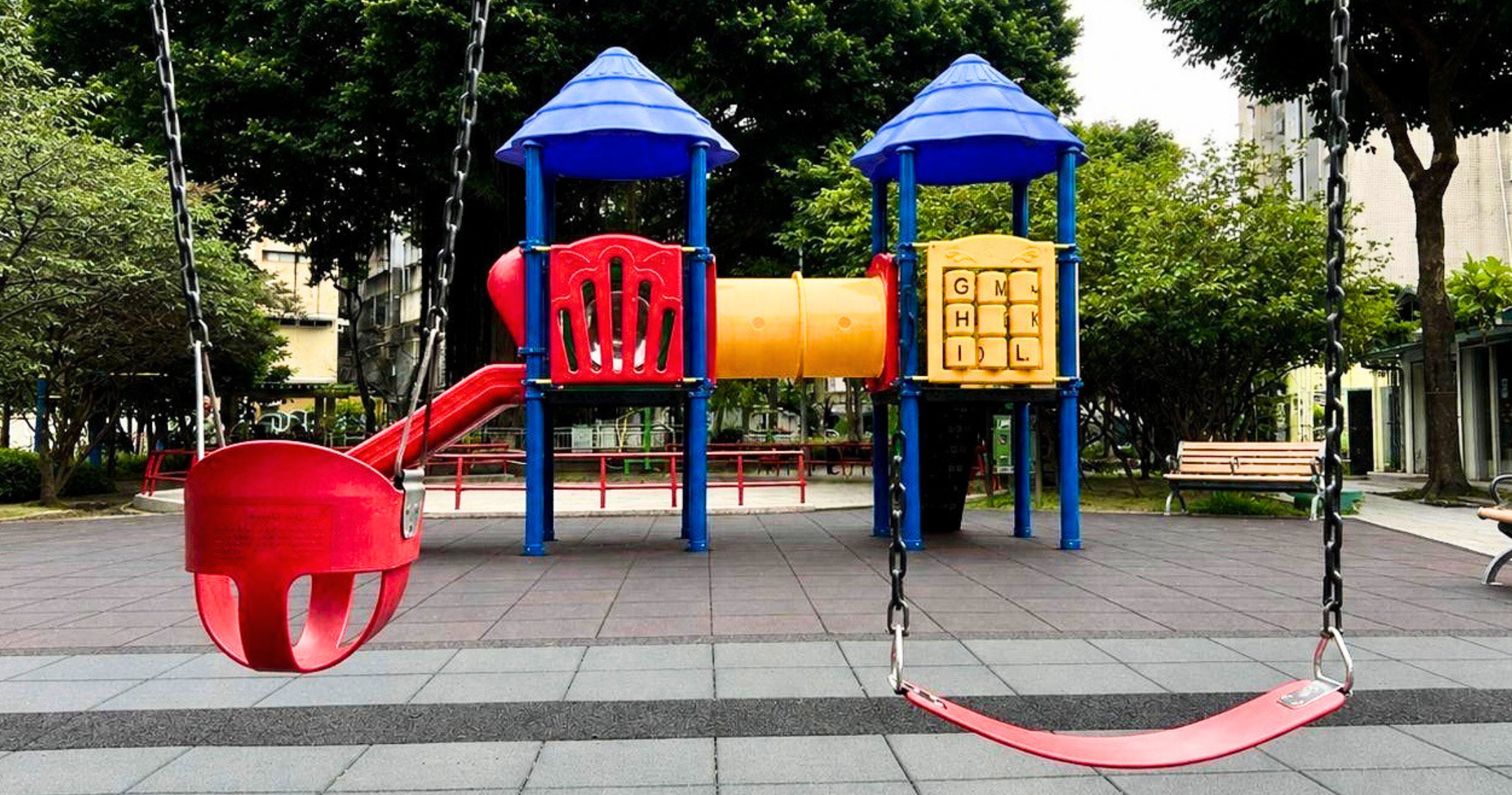
Photo: Playground in Taipei, by Olimpia Kot
What is Happening?
President Lai Ching-te (賴清德) has unveiled a major package of measures aimed at addressing Taiwan’s demographic decline after the island’s fertility rate fell to 0.69 in 2025, among the lowest in the world. The proposed package includes a new monthly NT$5,000 subsidy for children under 18, expanded parental leave, increased IVF support, and workplace reforms designed to reduce the financial burden of raising children. The government also plans to extend maternity leave from 8-12 weeks, double paternity leaves from 7-14 days, and expand parental leave benefits. The measures would cost approximately NT$380 billion annually and still require approval from the opposition-controlled Legislative Yuan.
While low birth rates have long been viewed as a social and economic challenge, the issue is now being discussed in terms of national resilience and security, as a shrinking and aging population affects Taiwan’s future workforce, tax base, and pool of military recruits.
Notably, the proposed workplace benefits would also apply partially to foreign workers in Taiwan, including households in which both parents are foreign nationals. However, migrant domestic workers and live-in caregivers would remain excluded from several of the expanded leave entitlements because they are not covered by the Labor Standards Act, highlighting persistent disparities in labor protections among different categories of migrant workers.
Public reaction has been mixed. While some welcomed additional support for families, others questioned whether financial incentives alone could address the structural causes of Taiwan’s low birth rate, including housing affordability, stagnant wages, childcare shortages, and work-life balance concerns.
What is the Broader Picture?
Taiwan’s demographic decline has become one of the most pressing long-term policy challenges facing the nation. Births have declined for 10 consecutive years, reaching just over 100,000 in 2025. At the same time, Taiwan is entering a super-aged society, with the proportion of elderly citizens continuing to grow.
The implications extend well beyond social welfare and economic growth. As pressure from China intensifies, demographic decline is increasingly viewed as a national security concern. A shrinking working-age population places growing pressure on public finances and labor markets while reducing the number of citizens available for military service.
Declining birth rates could make it difficult to sustain current force levels in the coming decades. Analysts have linked demographic trends to recruitment shortfalls and growing debates over military modernization, the use of autonomous technologies, and broader manpower reforms.
One question that has been raised in this context is whether Taiwan is making full use of its existing human resources. As concerns about military manpower grow, some analysts and former military personnel have argued that women could play a greater role in addressing recruitment challenges recruitment challenges. Although the share of women in Taiwan’s military has steadily increased over the past three decades, former service members have pointed to persistent barriers to recruitment and retention. Demographic pressures are therefore fueling broader discussions – not only about military modernization and technology, but also about the role of women in Taiwan’s national defense.
Why Does It Matter?
Taiwan’s demographic crisis highlights the growing connection between social policy and national security. While governments often address low fertility through subsidies and family support programs, the challenge facing Taiwan is ultimately structural. Younger generations continue to face rising housing costs, economic uncertainty, demanding work cultures, and the high costs associated with childcare and education.
From a security perspective, demographic decline affects Taiwan’s ability to sustain the human resources necessary for both economic resilience and national defense. A smaller workforce constrains long-term growth, while a shrinking pool of military-aged citizens complicates recruitment efforts at a time when Taiwan is investing heavily in strengthening its defense capabilities. The challenge is further compounded by the fact that women remain underrepresented in the armed forces despite growing manpower needs. Although technological innovation may partially compensate for personnel shortages, demographic decline remains a long-term constraint on Taiwan’s preparedness and resilience.
The debate surrounding Lai’s proposals therefore goes beyond family policy. It reflects a broader question about Taiwan’s future capacity to maintain economic vitality, social stability, and defense readiness in an increasingly challenging geopolitical environment.