

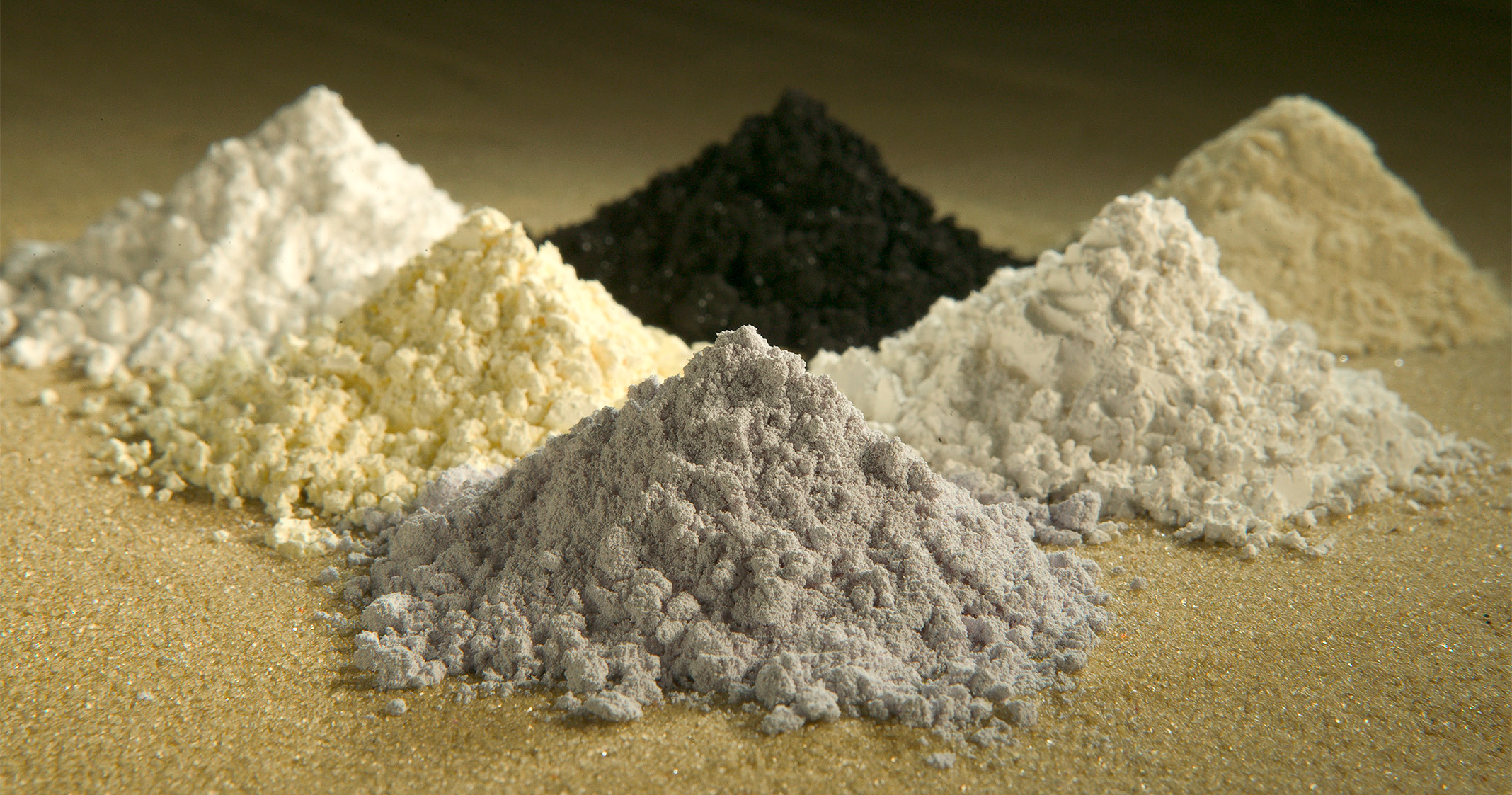
Photo: Rare-earth oxides. Source: USDA
What is happening?
On October 9, 2025, China announced a new round of tightened export controls on rare earth elements. The list also includes dozens of types of equipment and materials used in mining and refining processes as well as related technologies—particularly magnets, processing machinery, and materials with dual civilian and military applications.
Under the new rules, exporters must obtain licenses from the Chinese government before shipping rare earth materials abroad. For the first time, Beijing has also required foreign manufacturers that use Chinese-sourced rare earths or refining equipment to seek approval before exporting their own products.
This move builds upon the April 2025 restrictions. The latest curbs—covering additional elements and processing equipment—will take effect on November 8, just before the 90-day trade truce between Washington and Beijing expires. Meanwhile, the new global licensing rule for foreign companies using Chinese rare-earth materials or machinery will come into force on December 1.
What is the broader picture?
Among all producers, China overwhelmingly dominates the global supply chain of rare earths, accounting for about 70 percent of global mining output and 90 percent of refining capacity. In practice, even countries like the United States or Australia that extract rare earth ores often need to send the materials to China for processing before they can be used as usable components. This near-monopoly gives Beijing enormous leverage. The refining process is technically complex, energy-intensive, and highly polluting. In turn, China’s early investment, lower environmental standards, and government subsidies have allowed it to outcompete rivals. As a result, over the past three decades, countries like the United States have gradually shut down their domestic refining facilities and have become dependent on Chinese exports for high-purity rare earth products.
Faced with this growing dependence, other nations have begun rebuilding and diversifying supply chains. The U.S., EU, Japan, and Australia have all launched policies to reduce dependence on Chinese rare earths.
Yet beneath this scramble lies a deeper concern: not only does the dominance of a single supplier lead to economic vulnerabilities, but it also poses strategic and political risks. China’s control over rare earths grants it a powerful geopolitical instrument. As Deng Xiaoping (鄧小平) once remarked in 1992, “The Middle East has oil; China has rare earths.” This phrase encapsulates Beijing’s long-term view of rare earths not merely as industrial inputs but as a strategic resource, comparable to oil in global influence. Beijing has already demonstrated a willingness to weaponize this dominance. In 2010, following a diplomatic dispute with Japan over the Senkaku Islands, it temporarily halted rare earth exports, sending global prices soaring and revealing how dependent advanced economies were on Chinese supply.
Fifteen years later, history appears to rhyme. As Beijing once again tightens export controls, echoes of that episode reverberate across global markets. U.S. President Donald Trump sharply criticized Xi Jinping (習近平) on social media following China’s October 9 decision to expand export controls on key rare earth minerals. Angered by the move, Trump announced an additional 100 percent tariff on Chinese goods, set to take effect on November 1.
Why does it matter?
The implications of China’s new export controls extend far beyond the rare earth market itself—they touch the core of global industrial and energy transitions.
For Europe, which is striving to achieve green transformation and technological sovereignty, Beijing’s move serves as a sharp reminder of how deeply dependent advanced economies remain on Chinese supply chains. The EU currently imports over 90 percent of its rare earths from China, and despite efforts to diversify through its Critical Raw Materials Act (CRMA), Europe still lacks large-scale refining capacity. Rare earths are essential to produce electric vehicle motors, wind turbines, and defense technologies that underpin both the EU’s Green Deal and its strategic autonomy goals. If Beijing tightens exports or delays licensing, European manufacturers could face production slowdowns and rising costs.